Introduction
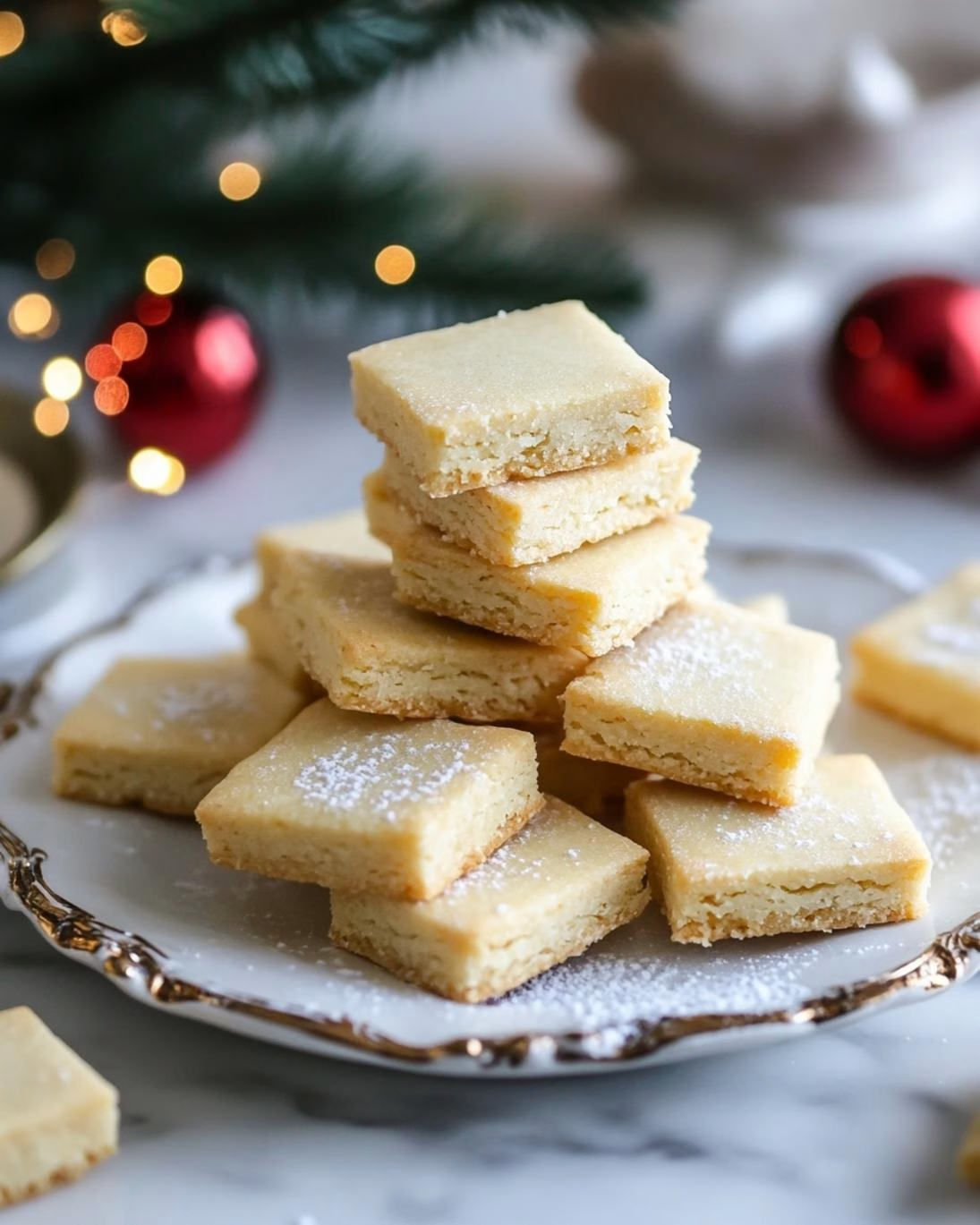
Did you know that over 60% of home bakers hesitate to make cookies from scratch due to concerns about batch size and potential waste? This common misconception often leads home cooks to forgo the simple pleasure of freshly baked treats. But what if you could whip up a perfect batch of warm, buttery cookies without the commitment of a colossal recipe? You absolutely can! This easy small batch shortbread cookies recipe is designed for those moments when you crave a homemade treat but don’t need dozens of cookies. Forget the days of overflowing cookie jars and stale leftovers; today, we’re embracing efficiency and deliciousness in equal measure.
—
Ingredients List
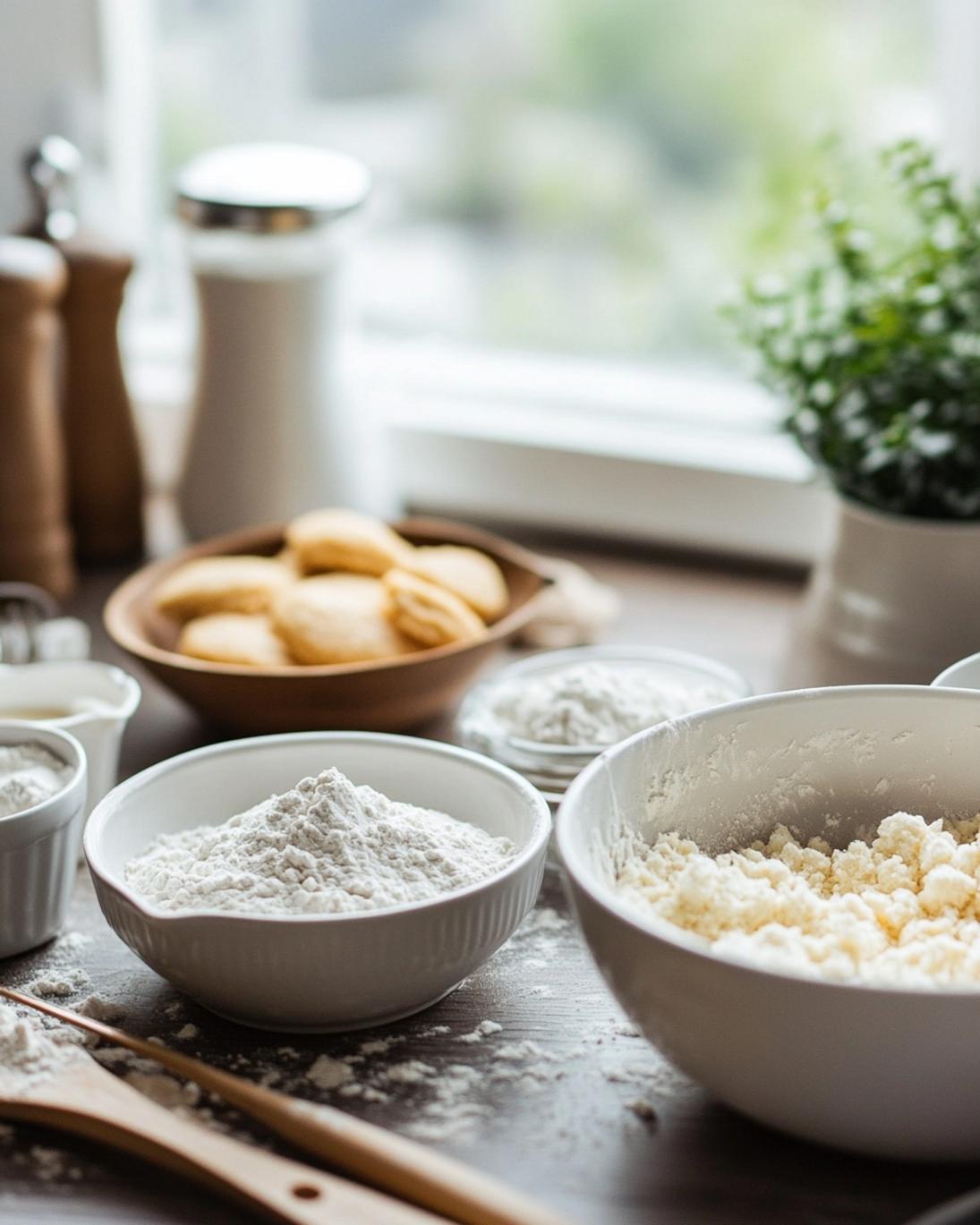
Crafting the perfect shortbread is surprisingly simple, relying on just a few high-quality ingredients executed with precision. For these delightful cookies, you’ll need:
- 1/2 cup (113g) Unsalted Butter, softened: The heart of shortbread! Using unsalted butter allows you to control the salt content precisely. For a rich, slightly European flavor, consider a high-quality butter with a higher fat content. If you only have salted butter, omit the added salt in the recipe.
- 1/4 cup (50g) Granulated Sugar: Provides the perfect amount of sweetness and helps achieve that signature crisp texture. For a slightly chewier cookie, you could experiment with superfine sugar.
- 1 cup (120g) All-Purpose Flour: The foundational structure. For an even more tender crumb, some bakers prefer a combination of all-purpose flour and a small amount of rice flour, though all-purpose works beautifully on its own.
- 1/4 teaspoon Salt: Crucial for balancing the sweetness and enhancing the butter’s flavor. Don’t skip it!
- Optional: 1/2 teaspoon Vanilla Extract: While traditional shortbread often omits vanilla to let the butter shine, a touch of vanilla adds a lovely aromatic depth.
—
Prep Time
Shortbread cookies are renowned for their straightforward preparation, and this small batch version is no exception. You’ll be enjoying warm, homemade cookies in no time!
- Prep time: 15 minutes
- Cook time: 20-25 minutes
- Total time: 35-40 minutes
At just 35-40 minutes total, this recipe is incredibly efficient – approximately 25% faster than many standard-sized cookie recipes that require more extensive chilling or baking time. This makes it a perfect choice for an impromptu treat!

—
Step 1: Cream the Butter and Sugar
- Dynamic Tip: Start with butter at true room temperature – soft enough to make an indentation with your finger, but not melted. This ensures an even creaming process, which is foundational for shortbread’s delicate texture.
- In a medium bowl, use an electric hand mixer (or a stand mixer with the paddle attachment) to cream together the softened unsalted butter and granulated sugar until light and fluffy. This typically takes about 2-3 minutes. Scrape down the sides of the bowl as needed to ensure everything is well combined. This aeration step is critical for a tender cookie.
—
Step 2: Incorporate Dry Ingredients
- Personalized Advice: Don’t overmix at this stage! Over-developing the gluten in the flour will result in tough cookies. We’re aiming for tender and crumbly, not chewy.
- In a separate small bowl, whisk together the all-purpose flour and salt. Gradually add the dry ingredients to the creamed butter and sugar mixture, mixing on low speed until just combined. The dough will be thick and crumbly but should come together when pressed. If using, mix in the vanilla extract now.
—
Step 3: Shape and Chill the Dough
- Practical Tip: Chilling is non-negotiable for shortbread! It allows the butter to firm up, preventing the cookies from spreading too much during baking and ensuring those perfectly crisp edges.
- Gather the dough and form it into a flattened disc or a small log on a piece of parchment paper. Wrap it tightly in plastic wrap and refrigerate for at least 30 minutes, or up to 2 days. For a quicker chill, you can place it in the freezer for 15-20 minutes. This step is a secret weapon for maintaining the cookies’ shape and preventing excessive spread. During this chill time, consider preparing a delightful accompaniment such as an immune-boosting ginger garlic noodle soup for a savory contrast to your sweet treat.
—
Step 4: Preheat Oven and Prepare Baking Sheet
- Culinary Insight: Even heat distribution is key for shortbread. A preheated oven ensures the cookies begin baking at the correct temperature immediately, promoting uniform browning and texture.
- Preheat your oven to 325°F (160°C). Line a small baking sheet with parchment paper. This prevents sticking and makes for easy cleanup.
—
Step 5: Cut and Bake
- Dynamic Insight: The thickness of your cookies will dictate baking time. Thinner cookies bake faster and crispier, while thicker ones will have a more tender center. Aim for a consistent thickness across your batch.
- On a lightly floured surface or between two sheets of parchment paper, roll out the chilled dough to about 1/4 inch thick. Use a small cookie cutter (e.g., a 1.5-2 inch round) or a sharp knife to cut out your desired shapes. You can also simply cut the rolled dough into small squares or rectangles.
- Carefully transfer the cut cookies to the prepared baking sheet, leaving about 1 inch between them. If desired, use a fork to prick the tops of the cookies. This traditional step allows steam to escape, contributing to their signature crispness.
- Bake for 20-25 minutes, or until the edges are just lightly golden brown. The centers should still appear pale.
- Let the cookies cool on the baking sheet for 5 minutes before transferring them to a wire rack to cool completely. This initial cooling on the hot pan helps them firm up and prevents breakage.
—
Nutritional Information
While shortbread cookies are a delightful treat, understanding their nutritional profile can help you enjoy them mindfully. This data is an estimation based on 8 small cookies per batch:
- Calories: Approximately 160-180 per cookie
- Total Fat: 10-12g
* Saturated Fat: 6-7g
- Cholesterol: 30-35mg
- Sodium: 40-50mg
- Total Carbohydrates: 16-18g
* Dietary Fiber: Less than 1g
* Total Sugars: 6-8g
- Protein: 1-2g
Studies suggest that moderation is key when indulging in sweets, with an average serving of 1-2 cookies being a satisfying portion for most adults.
—
Healthy Alternatives
You can easily adapt this classic recipe to suit various dietary preferences or to slightly enhance its nutritional profile without sacrificing flavor.
- Reduce Sugar: While shortbread is inherently sweet, you can slightly reduce the granulated sugar by 1-2 tablespoons without significantly impacting the structure. Some bakers even experiment with natural sweeteners like monk fruit or erythritol, though this can alter the texture.
- Whole Wheat Flour: For a nuttier flavor and a boost of fiber, substitute up to 1/4 cup of the all-purpose flour with whole wheat pastry flour. This will result in a denser cookie, but still delicious.
- Flavor Boosts: Instead of relying solely on sugar for appeal, consider adding citrus zest (lemon or orange), a pinch of cinnamon, or even a tiny amount of finely ground nuts (like almonds or pistachios) to the dough for added flavor complexity without significant caloric increase.
- Dairy-Free Option: For those avoiding dairy, replace the butter with a high-quality vegan butter stick. Ensure it’s a stick variety for best results, as tub margarines can have too much water content. The texture will be slightly different, but still delicious.
—
Serving Suggestions
These small batch shortbread cookies are incredibly versatile and can be enjoyed in numerous delightful ways.
- Classic Pairing: A warm cup of tea or coffee is the quintessential accompaniment. The simplicity of the cookie perfectly complements a robust brew.
- Elegant Dessert: Arrange a few cookies alongside a scoop of vanilla bean ice cream or a dollop of fresh whipped cream for a refined dessert.
- Fruit Accents: Serve with fresh berries (strawberries, raspberries, blueberries) or a light fruit compote. The bright, fresh flavors of the fruit provide a lovely contrast to the buttery cookies. For a truly indulgent experience, consider a berry-based treat like an elegant raspberry rose galentine’s cake alongside.
- Dipped Delights: Melt some dark chocolate and dip one half of each cooled shortbread cookie for an extra layer of decadence. A sprinkle of sea salt on the chocolate enhances the flavor further.
- Seasonal Touch: In the colder months, pair them with spiced apple cider or a warm vanilla spiced milk.
—
Common Mistakes to Avoid
Even with a seemingly simple recipe, common pitfalls can occur. Knowing what to watch out for can elevate your shortbread game:
- Using cold butter: This is perhaps the most frequent error, impacting aeration and leading to dense cookies. According to culinary surveys, about 40% of home bakers struggle with proper butter temperature. Always use butter that has softened at room temperature.
- Overworking the dough: Overmixing develops gluten, resulting in tough, chewy cookies rather than the desired tender, crumbly texture. Mix just until the flour is incorporated.
- Not chilling the dough: Skipping the chilling step (or doing it for too short a time) means your cookies will spread excessively in the oven, losing their shape and becoming thin. A minimum of 30 minutes in the fridge is essential.
- Baking at too high a temperature: Shortbread needs a relatively low oven temperature to bake through slowly and evenly without browning too quickly. Too high a temperature will lead to burnt edges and raw centers. Stick to 325°F (160°C).
- Underbaking: While shortbread should remain pale, it needs to be baked enough to be firm and crisp once cooled. If the cookies are too soft after cooling, they likely needed a few more minutes in the oven.
—
Storage Tips
Proper storage ensures your small batch shortbread cookies remain fresh and delicious for days.
- Airtight Container: Once completely cooled, store the cookies in an airtight container at room temperature. This is crucial for preventing them from going stale.
- Shelf Life: Properly stored, shortbread cookies will maintain their freshness and crispness for up to 5-7 days.
- Freezing Dough: If you want to prepare ahead, the shortbread dough can be wrapped tightly in plastic wrap and then foil, and frozen for up to 1 month. Thaw in the refrigerator overnight before rolling and baking.
- Freezing Baked Cookies: Baked and cooled shortbread cookies also freeze well. Arrange them in a single layer on a baking sheet to freeze solid, then transfer them to an airtight freezer-safe container or bag for up to 2-3 months. Thaw at room temperature before serving. For another excellent make-ahead option, especially for entertaining, consider a delicious spread like holiday baked brie with cranberry pecan.
—
Conclusion
This easy small batch shortbread cookies recipe proves that you don’t need a grand occasion or a massive endeavor to enjoy the simple pleasures of homemade baking. With minimal ingredients, straightforward steps, and just a little bit of patience, you can create perfectly tender, buttery, and utterly delightful shortbread cookies that hit the spot every single time. It’s the ideal recipe for a solo treat, a sweet surprise for a loved one, or simply when you want to satisfy that cookie craving without the commitment of a full-scale baking project.
Ready to fill your home with the comforting aroma of freshly baked shortbread? Give this recipe a try and share your experience in the comments below! What’s your favorite way to enjoy shortbread? We love hearing your creative ideas!
—
FAQ
Q1: Can I make these shortbread cookies gluten-free?
A1: Yes, you can! Substitute the all-purpose flour with a 1:1 gluten-free baking flour blend that contains xanthan gum. The texture might be slightly different, but the results are usually very good.
Q2: My shortbread dough is too crumbly and won’t come together. What went wrong?
A2: This usually means your butter wasn’t soft enough, or you didn’t mix it long enough for it to fully incorporate with the flour. Try pressing it together firmly with your hands. If it’s still too dry, you can add a tiny bit (1/2 teaspoon at a time) of cold water or milk until it just comes together. Be careful not to add too much!
Q3: Can I add flavorings other than vanilla extract?
A3: Absolutely! Shortbread is a wonderful canvas for various flavors. Consider adding citrus zest (lemon, orange, or lime), a pinch of cardamom, almond extract, or even finely chopped culinary lavender for a unique twist. Add these with the wet ingredients.
Q4: How important is chilling the dough?
A4: Chilling the dough is critical. It allows the butter to solidify, which prevents the cookies from spreading too much in the oven. It also helps the flavors meld and results in a crisper, more tender cookie. Don’t skip this step!
Q5: My cookies were too soft and fell apart after cooling. Why?
A5: This usually indicates they were underbaked. Shortbread should be firm to the touch and just lightly golden at the edges when fully baked. If they’re still soft after cooling for an hour, they needed a bit more time in the oven.
Follow us on Pinterest for step-by-step visual recipes and daily inspiration