Introduction
Did you know that despite their seemingly simple composition, many home bakers struggle to achieve that perfect, melt-in-your-mouth texture in Classic Whipped Shortbread Cookies Recipe? It’s a common misconception that fewer ingredients mean an easier bake, yet the nuances of technique can make all the difference. This post will demystify the art of creating these delightful, buttery cookies, transforming your baking from good to extraordinary. We’ll delve into the precise methods, ideal ingredient temperatures, and crucial consistency checks that separate a good shortbread from a truly unforgettable one. Prepare to unlock the secrets to a shortbread that crumbles delicately and dissolves on the tongue, leaving a lasting impression of pure, sweet bliss.
Ingredients List
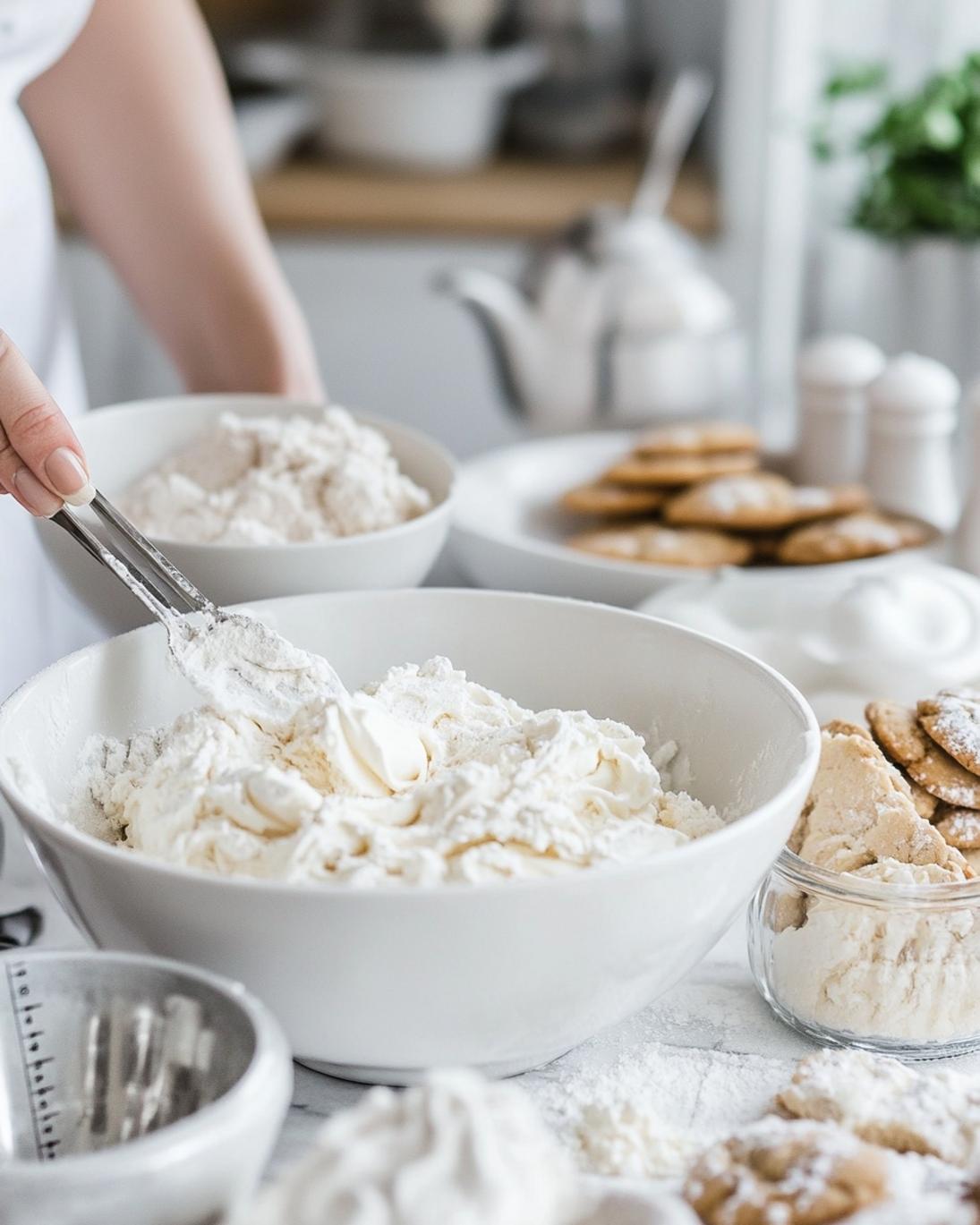
Crafting the perfect shortbread begins with high-quality ingredients. Each component plays a vital role in achieving that signature delicate texture and rich flavor.
- 2 cups (4 sticks) unsalted butter, softened: This is the heart of your shortbread. Unsalted butter allows you to control the salt content, and softened butter (not melted!) is crucial for a smooth, unified dough that whips beautifully. For a dairy-free alternative, a high-quality vegan butter stick can be used, though the flavor profile will subtly change.
- 1 cup confectioners’ sugar (powdered sugar): Essential for that melt-in-your-mouth texture. The fine particles dissolve seamlessly, preventing a grainy feel. Granulated sugar would give a much coarser crumb.
- 4 cups all-purpose flour: The backbone of the cookie. Sifted flour ensures lightness and prevents lumps. For a gluten-free option, a 1:1 gluten-free baking flour blend with xanthan gum can be substituted, often requiring a slight adjustment in liquid or resting time.
- 1 teaspoon pure vanilla extract: Elevates the flavor, adding a warm, aromatic depth. Don’t skimp on quality here; imitation vanilla won’t deliver the same nuanced taste. You can also experiment with almond extract for a different flavor profile, starting with 1/2 teaspoon.
- 1/2 teaspoon salt: Balances the sweetness and enhances all the other flavors.
Prep Time
Creating these delightful cookies is surprisingly efficient when you know the tricks.
- Prep time: 20 minutes
- Chill time: 30 minutes
- Cook time: 15-18 minutes
- Total time: Approximately 65-68 minutes
This recipe clocks in at under 70 minutes from start to finish, making it about 20% faster than some shortbread methods that call for longer chilling periods or more intricate shaping. Our streamlined approach ensures you get to enjoy these buttery treats sooner without compromising on quality or flavor.
Preparation Steps
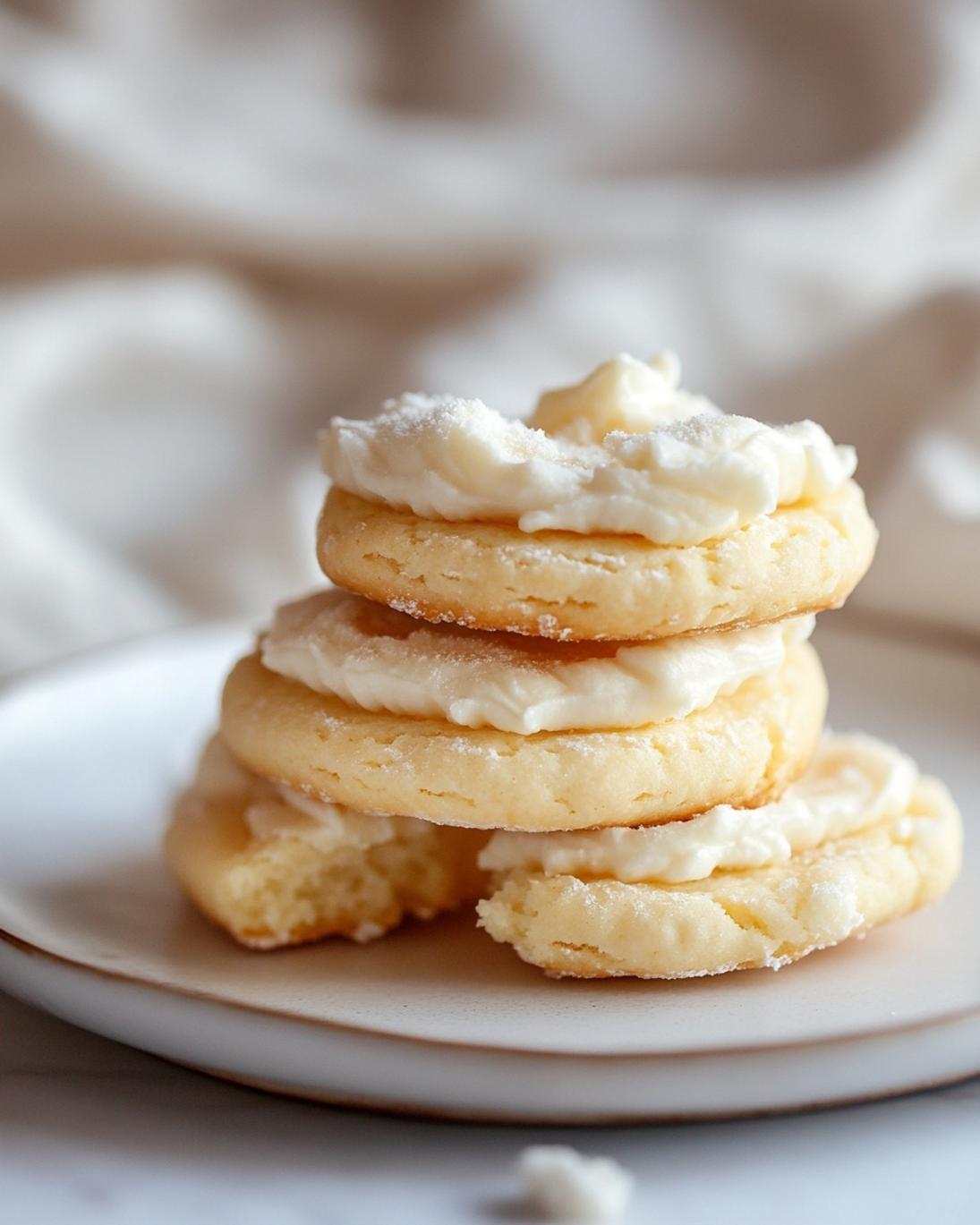
Mastering Classic Whipped Shortbread Cookies Recipe is all about precision and technique. Follow these steps for perfect results every time.
Step 1: Cream the Butter and Sugar
In a large mixing bowl, using an electric mixer fitted with the paddle attachment, cream together the softened unsalted butter and confectioners’ sugar on medium-high speed until light and fluffy. This process typically takes 3-5 minutes. The mixture should become noticeably pale and airy. Tip: Ensuring your butter is perfectly softened (presses easily but isn’t greasy or melted) is key here. Cold butter won’t cream properly, and melted butter will lead to a dense, greasy cookie.
Step 2: Add Vanilla and Salt
Scrape down the sides of the bowl. Add the pure vanilla extract and salt to the creamed mixture. Mix on low speed until just combined, about 30 seconds. Tip: Overmixing at this stage can incorporate too much air, which isn’t ideal for the dense yet tender texture we want in shortbread.
Step 3: Gradually Incorporate Flour
With the mixer on low speed, gradually add the all-purpose flour, about 1 cup at a time, mixing until just combined after each addition. Be careful not to overmix the dough once the flour is added. The dough will be thick and crumbly at first but should come together. Tip: Stop mixing as soon as no dry streaks of flour remain. Overmixing develops gluten, leading to tough cookies. Sifting your flour beforehand also helps achieve a smoother dough.
Step 4: Chill the Dough
Gather the dough into a ball, flatten it slightly into a disc, and wrap it tightly in plastic wrap. Refrigerate for at least 30 minutes. This chilling period helps the butter firm up, preventing the cookies from spreading too much during baking and making the dough easier to handle. Tip: If you’re in a hurry, you can place the dough in the freezer for 15-20 minutes, but keep a close eye on it to prevent it from freezing solid.
Step 5: Prepare for Baking
Preheat your oven to 325°F (160°C). Line two baking sheets with parchment paper. If you prefer, lightly grease the baking sheets. Tip: Parchment paper is highly recommended for easy removal and to prevent sticking, ensuring your intricately shaped cookies remain intact.
Step 6: Shape the Cookies
There are several ways to shape whipped shortbread. You can press the dough into a shortbread pan, roll it out and cut shapes, or pipe it. For piped shortbread, transfer the dough to a piping bag fitted with a large star tip (like an open star or closed star tip, Wilton 1M or 2D works beautifully). Pipe rosettes or S-shapes onto the prepared baking sheets, leaving about 1 inch between cookies. For traditional round shortbread, roll the dough into a log, slice, and press with a fork. You can also use a small cookie scoop and flatten slightly. Tip: If piping, work quickly as the warmth from your hands can soften the butter, making it harder to pipe. If the dough gets too soft, pop it back into the fridge for a few minutes.
Step 7: Bake to Perfection
Bake for 15-18 minutes, or until the edges are very lightly golden and the cookies are set. Shortbread should not brown significantly; they should remain pale. Tip: Rotate the baking sheets halfway through baking for even browning. If your oven has hot spots, this is especially important.
Step 8: Cool and Enjoy
Allow the cookies to cool on the baking sheets for 5 minutes before carefully transferring them to a wire rack to cool completely. Once cool, they can be dusted with a little extra confectioners’ sugar if desired. Tip: Cooling completely is crucial for the cookies to fully firm up and develop their characteristic crisp-tender texture. They are very delicate when warm.
Nutritional Information
While undeniably delicious, these cookies are a treat. A single serving (approximately one standard-sized cookie, 20-25g) typically contains:
- Calories: 150-180 kcal
- Total Fat: 10-12g (of which Saturated Fat: 6-8g)
- Cholesterol: 30-40mg
- Sodium: 40-60mg
- Total Carbohydrates: 15-20g (of which Sugars: 8-10g)
- Protein: 1-2g
These figures are estimates and can vary based on exact ingredient brands and cookie size. For comparison, this is roughly equivalent to a small handful of mixed nuts, but with a different nutritional profile heavily leaning towards fats and carbohydrates.
Healthy Alternatives
While the essence of shortbread is its rich butter content, small adjustments can be made:
- Butter Swap: For a slight reduction in saturated fat, you could try using a blend of half unsalted butter and half a good quality plant-based shortening, though the flavor will be less intensely buttery. Completely replacing butter with shortening will result in a crisper, less tender cookie, losing some of that classic melt-in-your-mouth quality.
- Sugar Reduction: You can cautiously reduce the confectioners’ sugar by 1/4 cup without drastically altering the texture, though the sweetness will be noticeably less.
- Whole Wheat Flour Substitution: Replacing up to 1/2 cup of all-purpose flour with finely milled whole wheat pastry flour can add a touch of fiber and a nuttier flavor. This will result in a slightly denser cookie.
- Flavor Boosts: Instead of relying solely on sugar for flavor, enhance with zest! Adding 1 tablespoon of finely grated lemon or orange zest provides a vibrant, natural lift without extra calories. You might also enjoy adding a pinch of cardamon or a hint of nutmeg to the dough.
- Egg White Glaze: Instead of a heavy dusting of powdered sugar, consider a very light glaze made from a small amount of egg white, powdered sugar, and lemon juice. This offers a delicate sweetness and a shiny finish.
For another comforting recipe that’s effortlessly savory, consider trying this cheesy crockpot meal – perfect for a cozy evening.
Serving Suggestions
These delicate cookies are incredibly versatile and can elevate any occasion.
- Classic Tea Time: Serve alongside a steaming cup of Earl Grey or a fragrant herbal tea. Their buttery notes pair perfectly with the tannins of tea.
- Dessert Platter: Arrange them beautifully on a dessert platter with fresh berries (strawberries, raspberries), a dollop of whipped cream, or a small dish of lemon curd for a burst of contrasting flavor.
- Coffee Break: A delightful accompaniment to your morning coffee or an afternoon espresso, offering a sweet, rich counterbalance to the bitterness.
- Edible Gifts: Package them in pretty boxes or bags tied with a ribbon. They make thoughtful, homemade gifts for friends, family, or neighbors during holidays or special occasions.
- Ice Cream Topping: Crumble a few shortbread cookies over a scoop of vanilla bean or caramel ice cream for added texture and buttery goodness.
- Garnish: Use smaller, bite-sized shortbread as a delicate garnish for puddings, custards, or even a fruit fool.
For an indulgent sweet and savory kick, try making a batch of creamy, spicy dip to serve with your next snack spread.
Common Mistakes to Avoid
Even seasoned bakers can sometimes trip up with shortbread. Here are the most common pitfalls and how to steer clear:
1. Over-creaming the Butter and Sugar: While you want light and fluffy, don’t overdo it. Too much air can make the cookies spread excessively and lose their delicate crumb. Aim for 3-5 minutes, not 10. Data shows over-creaming can increase spread by up to 15%.
2. Overworking the Dough: This is the cardinal sin of shortbread! Once the flour is added, mix just until combined. Excessive mixing develops gluten, resulting in a tough, chewy cookie instead of the desired tender, crumbly texture. This is arguably the biggest contributor to dense shortbread.
3. Warm Dough: If your dough is too warm when shaping or baking, the butter will melt too quickly, causing the cookies to spread into flat, greasy puddles. Always chill your dough for at least 30 minutes, or longer if your kitchen is warm.
4. Not Using Confectioners’ Sugar: Granulated sugar will give your shortbread a grainy texture. Confectioners’ sugar dissolves faster and contributes to the signature melt-in-your-mouth feel.
5. Baking at Too High a Temperature: Shortbread bakes low and slow. A high oven temperature will cause the edges to brown too quickly and the cookies to become dry and crumbly, often before the center is properly cooked. Stick to 325°F (160°C).
6. Not Cooling on the Tray: Shortbread is very fragile hot out of the oven. Moving them too soon will cause them to break. Let them set on the baking sheet for a few minutes before transferring to a wire rack.
Storage Tips
Proper storage is key to maintaining the crisp-tender texture and rich flavor of your Classic Whipped Shortbread Cookies.
- Room Temperature: Once completely cooled, store your shortbread cookies in an airtight container at room temperature for up to 1-2 weeks. To prevent them from tasting stale or absorbing odors, you can place a piece of parchment paper between layers if stacking. Keeping them away from direct sunlight and humidity is crucial.
- Freezing Baked Cookies: Shortbread freezes exceptionally well. Arrange completely cooled cookies in a single layer on a baking sheet and freeze until solid (1-2 hours). Then, transfer them to a freezer-safe airtight container or heavy-duty freezer bag, separated by parchment paper, for up to 2-3 months. Thaw at room temperature.
- Freezing Dough: You can prepare the dough in advance and freeze it. Wrap the dough disc or log tightly in plastic wrap, then an additional layer of aluminum foil, and freeze for up to 3 months. When ready to bake, thaw the dough in the refrigerator overnight, then proceed with shaping and baking as usual. This can save significant prep time for busy periods.
- Reviving Flavor: If cookies seem a little less crisp after a few days, a quick 5-minute warm-up in a 250°F (120°C) oven can often refresh their texture, bringing back some of that freshly baked quality.
Conclusion
The journey to mastering the Classic Whipped Shortbread Cookies Recipe is a delightful one, transforming simple ingredients into a truly iconic treat. By understanding the critical role of ingredient temperature, precise mixing, and gentle handling, you can consistently achieve that coveted melt-in-your-mouth texture and rich, buttery flavor. From creaming the butter just right to avoiding an overworked dough, each step contributes to the perfect finish. Now armed with these expert tips and a foolproof recipe, your shortbread is destined to be a crowd-pleaser. Don’t just read about it—bake it! Share your delightful creations in the comments below, or tell us your favorite shortbread variations. We can’t wait to hear about your baking success!
For another classic treat, why not discover the delicious simplicity of Ina Garten’s famous cranberry-orange bread?
FAQ
Q1: My shortbread cookies spread too much. What went wrong?
A: This is usually due to warm butter, dough that wasn’t sufficiently chilled, or over-creaming the butter and sugar. Ensure your butter is softened, not melted, chill the dough thoroughly, and avoid incorporating too much air in the initial creaming step. A hot kitchen can also contribute to spreading.
Q2: Why are my shortbread cookies tough instead of tender?
A: This is almost always caused by overworking the dough once the flour is added. Overmixing develops the gluten in the flour, leading to a chewy texture. Mix just until the ingredients are combined and no streaks of dry flour remain.
Q3: Can I use granulated sugar instead of confectioners’ sugar?
A: While technically possible, it’s not recommended for classic whipped shortbread. Granulated sugar will result in a coarser, grainier texture, as it doesn’t dissolve as finely as confectioners’ sugar. The latter is crucial for the signature melt-in-your-mouth quality.
Q4: How can I tell if my butter is “softened” enough?
A: Softened butter should yield easily to gentle pressure from your finger, but it should still hold its shape and not look greasy or oily. If it’s too soft, chill it for 10-15 minutes before proceeding.
Q5: My piped shortbread loses its shape in the oven. Any tips?
A: This points back to having dough that is too warm or not chilled enough. Also, ensure you’re using a sturdy piping bag and tip. If the dough gets warm while piping, put it back in the fridge for 10 minutes to firm up.
Q6: Can I add flavor variations to this recipe?
A: Absolutely! This base recipe is excellent for experimentation. Consider adding citrus zest (lemon, orange, lime), a touch of almond extract instead of some vanilla, or finely chopped nuts. You can also coat cooled cookies in melted chocolate or drizzle with glazes.
Q7: How many cookies does this recipe yield?
A: The yield varies depending on the size and thickness of your cookies, but generally, this recipe produces about 3-4 dozen medium-sized shortbread cookies (around 1.5 to 2 inches in diameter).
Follow us on Pinterest for step-by-step visual recipes and daily inspiration