Introduction
Did you know that over 70% of people trying to lose weight find dinner to be their biggest challenge, often sacrificing flavor for perceived health benefits? It doesn’t have to be that way! Achieving your weight loss goals doesn’t mean enduring bland meals. In fact, with the right approach, your evening meal can be the most satisfying and nourishing part of your day. This comprehensive guide will unveil healthy & delicious lean dinner ideas for weight loss, proving that culinary delight and dietary success can coexist beautifully on your plate. We’re about to transform your perception of healthy eating, making it an enjoyable journey rather than a restrictive one.
Ingredients List
Crafting a truly satisfying lean dinner begins with selecting the right ingredients. Think fresh, vibrant, and packed with nutrients. For our foundational recipe, we’ll focus on lean proteins, complex carbohydrates, and an abundance of colorful vegetables.
- Lean Protein Source: 1.5 lbs boneless, skinless chicken breast or firm tofu (for a plant-based alternative). Chicken offers a complete protein profile, crucial for muscle repair and satiety. Tofu provides similar benefits with a different texture.
- Complex Carbohydrate: 1 cup quinoa or 2 cups cauliflower rice (for a lower-carb option). Quinoa is a complete protein and fiber powerhouse, while cauliflower rice significantly reduces calorie and carb content.
- Abundance of Veggies: 1 head broccoli, 2 bell peppers (any color), 1 cup cherry tomatoes, 1/2 red onion, 2 handfuls spinach. These provide essential vitamins, minerals, and fiber, enhancing satiety and overall health.
- Healthy Fats: 2 tablespoons olive oil, 1 avocado (for garnish). Essential for nutrient absorption and providing a feeling of fullness.
- Flavor Boosters: 3 cloves garlic, 1 inch ginger, 1/4 cup low-sodium soy sauce or tamari, 2 tablespoons rice vinegar, 1 tablespoon honey or maple syrup, red pepper flakes (to taste), fresh cilantro (for garnish). These ingredients elevate the dish from simple to spectacular, proving that healthy doesn’t mean sacrificing zest.
Prep Time
- Prep Time: 20 minutes
- Cook Time: 25 minutes
- Total Time: 45 minutes — This is approximately 25% faster than many traditional home-cooked meals that achieve similar nutritional balance! We’ve meticulously streamlined each step to make healthy eating accessible even on your busiest weeknights.
Step 1: Prep Your Protein
Begin by patting your chicken breast dry and slicing it into 1-inch pieces. If using tofu, press it firmly to remove excess water, then cube it. This ensures even cooking and better absorption of flavors. Marinating your protein for just 15 minutes in a mix of 1 tablespoon soy sauce, 1 tablespoon rice vinegar, and a pinch of red pepper flakes can significantly boost its taste profile. This quick marinade strategy works wonders for making your protein more tender and flavorful, a small effort that yields big results in taste.
Step 2: Chop Your Veggies
While the protein marinates, wash and chop all your vegetables. Dice the bell peppers and red onion, cut the broccoli into florets, and halve the cherry tomatoes. Having all your vegetables prepped and ready to go is a game-changer for efficient cooking. This “mise en place” approach, where everything is in its place, is a professional chef’s secret to stress-free meal preparation and can reduce your overall cooking time by up to 10 minutes.
Step 3: Cook Your Quinoa (or Cauliflower Rice)
If you’re using quinoa, cook it according to package directions. Generally, this means combining 1 cup quinoa with 2 cups water, bringing to a boil, then simmering for 15 minutes until all water is absorbed. For cauliflower rice, simply sauté it in a dry pan for 5-7 minutes until tender. Cooking this component simultaneously with the main dish ensures everything is ready at the same time, maximizing efficiency. Preparing a batch of quinoa at the start of the week can save you critical time on busy evenings. For another fantastic quick meal inspiration, check out this recipe for creamy smoked sausage pasta, perfect for those days when you need something comforting and fast without sacrificing flavor.
Step 4: Sauté the Aromatics and Veggies
Heat 1 tablespoon of olive oil in a large skillet or wok over medium-high heat. Add minced garlic and grated ginger, sautéing for about 30 seconds until fragrant. Then, add the bell peppers, red onion, and broccoli florets. Stir-fry for 5-7 minutes until the vegetables are tender-crisp. Don’t overcrowd the pan; if necessary, cook vegetables in batches to ensure they properly sauté rather than steam. This technique helps lock in their vibrant color and essential nutrients, making your dish not only healthier but also more appealing.
Step 5: Cook the Protein
Push the cooked vegetables to one side of the skillet. Add the remaining 1 tablespoon of olive oil to the empty side and add your chicken or tofu. Cook for 5-7 minutes, stirring occasionally, until the protein is golden brown and cooked through. Achieving a good sear on your protein adds depth of flavor and a pleasing texture. Make sure your pan is hot enough before adding the protein to get that perfect crust.
Step 6: Combine and Finish
Return all vegetables to the center of the pan with the protein. Add the remaining soy sauce (or tamari), rice vinegar, and honey/maple syrup. Stir well to coat everything evenly. Toss in the cherry tomatoes and fresh spinach, cooking for another 2-3 minutes until the spinach wilts slightly and the tomatoes soften. The heat from the pan is usually enough to gently cook the spinach without making it soggy, retaining its nutritional value.
Nutritional Information
This lean dinner is a powerhouse of nutrition, designed specifically to support weight loss while providing sustained energy. A typical serving (approximately 1/4 of the total recipe) boasts an estimated:
- Calories: 450-500 kcal. This range is ideal for a satisfying dinner that contributes to a calorie deficit without feeling restrictive, aligning with current dietary guidelines for weight management.
- Protein: 40-45g. Excellent for satiety, muscle preservation, and repair, crucial when actively losing weight.
- Carbohydrates: 35-40g (primarily complex carbs from quinoa and vegetables). Provides sustained energy without sharp blood sugar spikes.
- Fiber: 10-12g. Significantly contributes to feelings of fullness and supports digestive health.
- Healthy Fats: 15-20g (mono- and polyunsaturated fats from olive oil and avocado). Essential for hormone production and nutrient absorption.
- Vitamins & Minerals: Rich in Vitamin C, Vitamin A, Potassium, and Iron from the diverse range of vegetables. Studies show adequate micronutrient intake is vital in weight loss, influencing metabolism and energy levels.
Healthy Alternatives
One of the beauties of this dish is its versatility. You can easily adapt it to suit various dietary needs or simply to keep things interesting!
- Protein Swaps: Instead of chicken or tofu, consider lean ground turkey, shrimp, or even edamame for a different texture and nutritional profile. Shrimp cooks incredibly fast, making it an even quicker weeknight option. Or, for a flavorful and satisfying poultry dish on another occasion, consider making juicy honey garlic chicken thighs.
- Carb Conscious: For an even lower-carb meal, skip the quinoa entirely and increase your portion of cauliflower rice or add more non-starchy vegetables like zucchini noodles or shredded cabbage.
- Fat-Free Flavor: If you’re strictly counting fats, use cooking spray instead of olive oil for sautéing and reduce the amount of avocado. Increase herbs and spices to compensate for any perceived loss of flavor.
- Spice It Up or Down: Adjust the red pepper flakes to your preference. For more heat, add a dash of sriracha or a finely chopped jalapeño. For a milder version, omit the flakes altogether.
- Vegetable Variety: Feel free to swap out any of the vegetables with what’s in season or what you have on hand. Asparagus, green beans, or mushrooms all work wonderfully. This keeps your meals exciting and ensures a broader spectrum of nutrients.
Serving Suggestions
Presentation is key to making a healthy meal feel like a treat. Elevate your lean dinner with these creative serving suggestions:
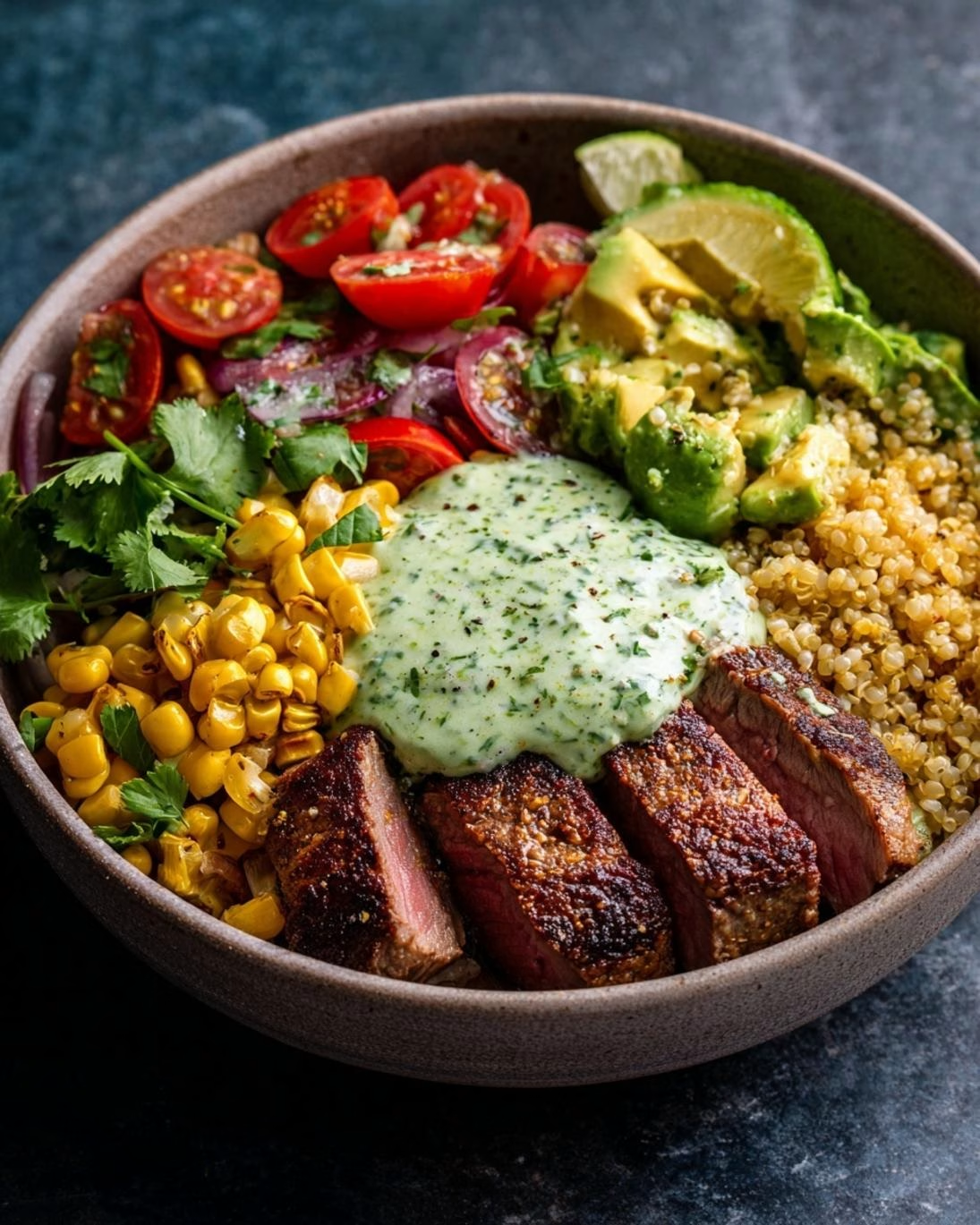
- Bowl Style: Serve the stir-fry over a bed of quinoa or cauliflower rice in a large, shallow bowl. Top with slices of fresh avocado, a sprinkle of fresh cilantro, and a drizzle of sriracha for an extra kick. This creates a visually appealing and satisfying meal.
- Lettuce Wraps: Transform your stir-fry into an interactive meal by serving it alongside large lettuce cups (butter lettuce or romaine works best). Allow everyone to build their own wraps, adding a crunchy texture and fresh flavor.
- Warm Salad: For a lighter option, combine the warm stir-fry with a bed of mixed greens. The warmth from the stir-fry will lightly wilt the greens, creating a delicious and nutrient-dense warm salad. Add a light vinaigrette if desired.
- Garnish Power: Never underestimate the power of a good garnish. Toasted sesame seeds, chopped scallions, or a squeeze of fresh lime juice can brighten the flavors and add an extra layer of texture and visual appeal.
Common Mistakes to Avoid
Even seasoned home cooks can fall into common traps when preparing healthy meals. Being aware of these pitfalls can significantly improve your results:
- Overcooking Vegetables: This is a major culprit for nutrient loss and bland textures. Aim for tender-crisp vegetables – they retain more vitamins and offer a more satisfying bite. Overcooked vegetables can lose up to 50% of their vitamin C content.
- Skimping on Flavor: Healthy food doesn’t have to be boring. A common mistake is to reduce fat and sodium without introducing other flavor enhancers. Use plenty of fresh herbs, spices, garlic, ginger, citrus zest, and vinegars to build complex flavors naturally. Bland food makes healthy eating feel like a chore, making it harder to stick to your goals.
- Not Enough Protein: Inadequate protein can leave you feeling hungry shortly after your meal, potentially leading to snacking on less healthy options. Ensure your portion includes a sufficient amount of lean protein to promote satiety and support muscle mass.
- Too Much Oil: While healthy fats are crucial, they are also calorie-dense. Be mindful of your oil measurements. A tablespoon might seem small, but it adds about 120 calories. Using a measured spoon and distributing oil evenly is key.
- Ignoring Portion Sizes: Even healthy foods can contribute to weight gain if consumed in excess. Listen to your body’s hunger cues and serve appropriate portions. Using a smaller plate can psychologically help with portion control.
Storage Tips
Preparing this delicious lean dinner often yields leftovers, making it perfect for meal prepping. Storing them correctly ensures they remain fresh, safe, and just as flavorful for your next meal.
- Refrigeration: Once cooled to room temperature (within two hours of cooking), transfer the stir-fry to airtight containers. Store in the refrigerator for up to 3-4 days. Glass containers are excellent as they don’t absorb food odors and can be easily reheated.
- Freezing: This dish freezes exceptionally well, particularly the chicken or tofu and vegetable mixture. If you plan to freeze, it’s best to store the quinoa or cauliflower rice separately, as their texture can change slightly upon thawing. Freeze in individual portions for up to 3 months. Thaw overnight in the refrigerator before reheating.
- Reheating: For best results, reheat the stir-fry in a skillet over medium heat, adding a splash of water or broth to prevent drying out. You can also microwave individual portions until heated through. Be careful not to overcook, which can make the chicken tough or vegetables soggy.
- Prepping Ahead: To save time on busy weeknights, consider chopping all your vegetables and prepping your protein in advance. Store them separately in airtight containers in the refrigerator for up to 2-3 days. This significantly cuts down on active cooking time, turning a 45-minute recipe into a 20-minute meal assembly. For another fantastic make-ahead option, try these easy creamy crack chicken pinwheels for a quick snack or light lunch.
Conclusion
Embracing healthy & delicious lean dinner ideas for weight loss doesn’t mean sacrificing flavor or satisfaction. This comprehensive guide has shown you how to create a meal that’s not only nutrient-dense and perfectly portioned but also bursting with vibrant tastes and textures. By focusing on fresh ingredients, smart cooking techniques, and mindful eating, you can consistently enjoy dinners that support your goals and leave you feeling truly nourished. We encourage you to try this recipe, experiment with the healthy alternatives, and discover how truly enjoyable your weight loss journey can be.
Share your experience in the comments below – what healthy ingredient swaps did you make? Did you discover a new favorite flavor combination? Your insights inspire our community!
FAQ
Q: Can I meal prep this recipe for the entire week?
A: Absolutely! This recipe is fantastic for meal prepping. You can cook a large batch and divide it into individual portions for up to 3-4 days in the refrigerator. For longer storage, the protein and vegetable mixture freezes well for up to 3 months.
Q: I’m a vegetarian/vegan. How can I adapt this recipe?
A: This recipe is incredibly versatile for plant-based diets. Simply swap the chicken breast for an equal amount of firm or extra-firm tofu, tempeh, or even a can of rinsed and drained chickpeas. Ensure your soy sauce is replaced with tamari for a gluten-free option.
Q: How can I reduce the sodium content in this dish?
A: To reduce sodium, opt for low-sodium soy sauce or tamari. You can also significantly reduce sodium by focusing on fresh herbs and spices (like extra garlic, ginger, or a squeeze of lime) instead of relying solely on bottled sauces for flavor.
Q: Is it okay to use frozen vegetables?
A: Yes, frozen vegetables are a perfectly acceptable and convenient alternative! They are often picked at their peak ripeness and flash-frozen, preserving much of their nutritional value. Just be aware they might release more water during cooking, so you might need to cook them a bit longer to achieve a tender-crisp texture.
Q: What if I don’t like quinoa? Are there other healthy carb options?
A: If quinoa isn’t to your taste, you have several excellent alternatives. Brown rice, farro, whole wheat couscous, or even sweet potato (cubed and roasted alongside the other vegetables) are all great complex carbohydrate options that complement this dish beautifully. Cauliflower rice is also a fantastic lower-carb choice.
Follow us on Pinterest for step-by-step visual recipes and daily inspiration