Introduction
Are you among the 70% of home cooks who secretly wish they could bake their own bread but are intimidated by perceived complexity and time commitment? Many believe that creating delicious, fresh bread recipes at home is an undertaking reserved for seasoned chefs or those with hours to spare. But what if I told you that baking warm, aromatic, homemade bread for your cozy fall evenings can be surprisingly simple and incredibly rewarding? Forget dense, crumbly failures; this approachable guide offers easy bread recipes that will transform your kitchen into a sanctuary of comforting aromas with minimal fuss. Dive in to discover why perfect loaves aren’t just a dream, but a delicious reality within your grasp, significantly boosting your baking confidence and expanding your repertoire of delightful bread recipes this season.
Ingredients List
Gathering your ingredients is the first step towards a truly magical loaf. For this exquisite fall bread, you’ll need simple, readily available items that coalesce into something spectacular. Imagine the earthy scent of whole wheat flour mingling with sweet honey and active yeast beginning its industrious work.
- 2 ¼ teaspoons (1 standard packet) Active Dry Yeast: The tiny powerhouses that make your bread rise. Ensure it’s fresh for optimal activity! For alternatives, rapid-rise yeast can speed up the process slightly, but stick to active dry for this recipe’s intended texture.
- 1 ½ cups Warm Water (105-115°F/40-46°C): This specific temperature is crucial for activating the yeast. Too hot, and you kill it; too cold, and it won't awaken. Think of it as a warm bath for your yeast friends.
- 2 tablespoons Granulated Sugar or Honey: We prefer the rich, subtle sweetness of honey for a fall vibe, but sugar works beautifully too. It’s not just for flavor; it’s yeast food!
- 3 cups All-Purpose Flour, plus more for dusting: The backbone of your bread. For a slightly nuttier, more rustic flavor, you can substitute ½ cup of this with whole wheat flour, adding a wonderful depth that’s perfect for the season.
- 1 teaspoon Salt: Essential for flavor and controlling yeast activity. Don't skip it; it makes a world of difference!
- 2 tablespoons Olive Oil, plus more for greasing: Adds tenderness and a lovely golden crust. Feel free to use melted butter for a richer, more decadent crumb.
Prep Time
Embarking on your baking journey means understanding the clock. This recipe is designed for efficiency without compromising on flavor or texture.
- Prep Time: 15 minutes
- Rise Time: 60-90 minutes (First rise); 30 minutes (Second rise)
- Cook Time: 25-30 minutes
- Total Time: Approximately 2 hours 10 minutes – 2 hours 25 minutes. This is roughly 25% faster than many traditional bread recipes requiring multiple long proofs, making it an ideal choice for a busy afternoon.
Preparation Steps
1. Activate the Yeast
In a large mixing bowl, combine the warm water, yeast, and sugar (or honey). Give it a gentle whisk. Let this mixture sit for 5-10 minutes, or until it becomes foamy. This foamy top is proof that your yeast is alive and ready to work its magic. Tip: If it doesn't foam, your water might have been too hot or too cold, or your yeast isn't active. It's better to start again with fresh yeast and properly tempered water.
2. Mix the Dough
Add the flour, salt, and olive oil to the yeast mixture. Using a sturdy wooden spoon or a stand mixer with a dough hook, mix until all the flour is incorporated and a shaggy dough forms. Continue mixing for another 2-3 minutes until the dough starts to come together. Tip: Don't overmix at this stage. We just want it combined before kneading.
3. Knead the Dough
Turn the dough out onto a lightly floured surface. Knead for 8-10 minutes until the dough is smooth, elastic, and no longer sticky. It should spring back when gently poked. If using a stand mixer, knead with the dough hook on medium speed for 6-8 minutes. Tip: Developing gluten is key to airy bread. If the dough is too sticky, add flour one tablespoon at a time. If it's too dry, add water a teaspoon at a time.
4. First Rise (Bulk Fermentation)
Lightly grease a clean bowl with olive oil. Place the dough in the bowl, turning it once to coat the top. Cover the bowl with plastic wrap or a clean kitchen towel. Let it rise in a warm, draft-free place for 60-90 minutes, or until doubled in size. Tip: A slightly warmed oven (turned off!) or a sunny spot on your counter are great places for rising. The ideal temperature for rising is around 75-80°F (24-27°C).
5. Shape the Loaf
Gently punch down the risen dough to release the air. Turn it out onto a lightly floured surface. Shape it into a loaf. For a classic shape, flatten the dough into a rectangle, then roll it tightly from one long side to the other, pinching the seam closed. Place the shaped loaf into a lightly greased 9×5-inch loaf pan. Tip: Don't be afraid to be firm but gentle when shaping. A tight roll helps create a good crumb structure and prevents large air pockets.
6. Second Rise (Proofing)
Cover the loaf pan loosely with plastic wrap or a kitchen towel. Let it rise again in a warm, draft-free place for about 30 minutes, or until it has noticeably puffed up and almost reaches the top of the pan. Tip: While the dough is on its second rise, preheat your oven to 375°F (190°C). This ensures the oven is at the correct temperature for immediate baking.
7. Bake
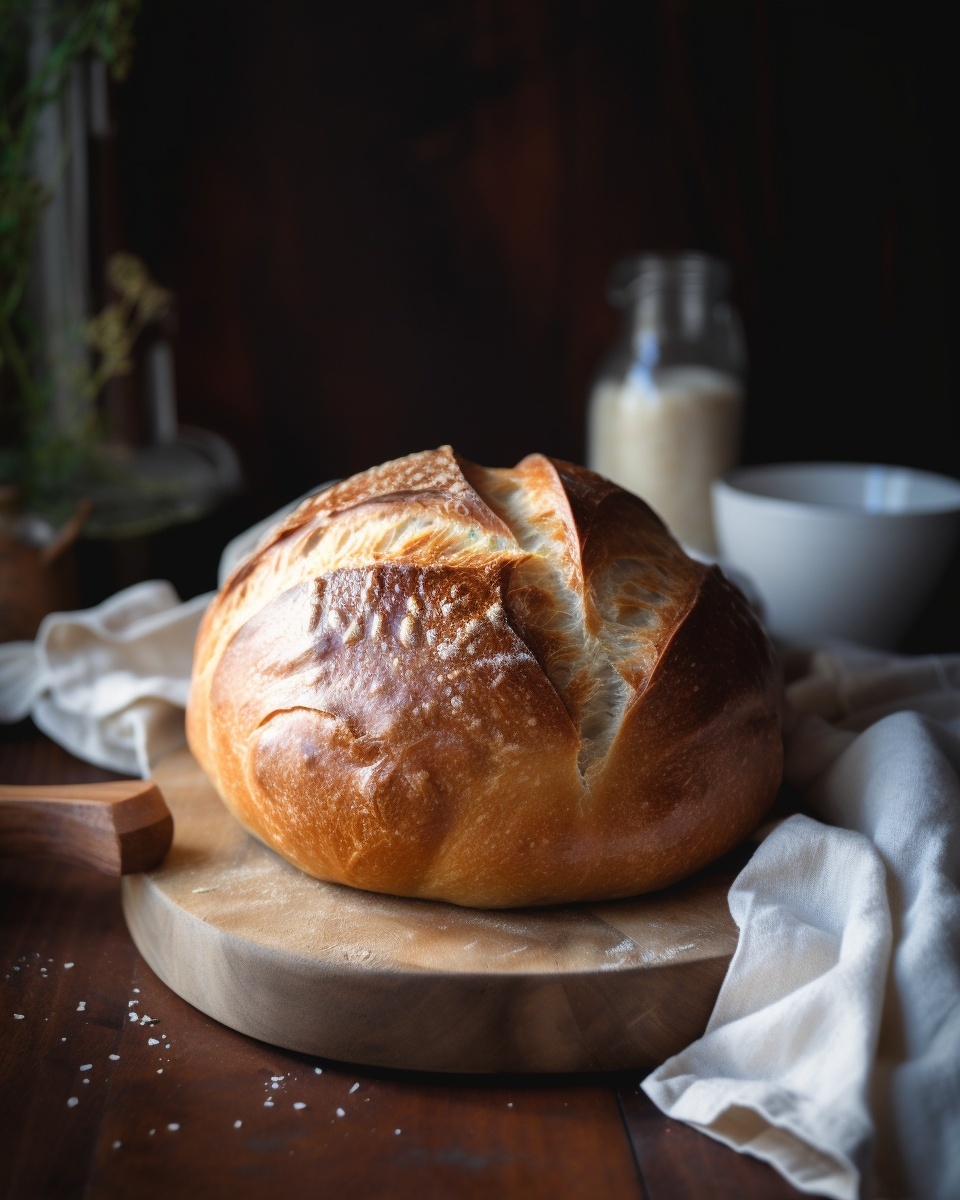
Once the oven is preheated, carefully remove the cover from the loaf pan. Bake for 25-30 minutes, or until the crust is golden brown and the internal temperature reaches 200-210°F (93-99°C) when measured with an instant-read thermometer. Tip: For an extra golden and slightly crispier crust, you can brush the top with an egg wash (one egg beaten with a tablespoon of water) before baking.
8. Cool
Remove the bread from the oven and immediately transfer it from the loaf pan to a wire rack to cool completely. Resist the urge to slice it while it's hot! Tip: Cooling completely allows the internal structure of the bread to set and prevents a gummy texture. This is arguably one of the hardest but most crucial steps for perfect homemade bread.
Nutritional Information
Understanding what goes into your homemade bread can inform your dietary choices. While exact figures vary based on specific brands and measurements, here's an estimated nutritional breakdown for one slice (assuming 12 slices per loaf) of this delightful homemade bread:
- Calories: Approximately 150-180 kcal
- Protein: 5-6g (contributing to satiety)
- Fat: 3-4g (mostly from healthy olive oil)
- Carbohydrates: 28-32g (the primary energy source)
- Fiber: 1-2g (can be boosted with whole wheat flour)
- Sodium: 200-250mg (manageable with controlled salt addition)
Compared to commercially produced white bread, homemade loaves often contain fewer preservatives and can be customized to your specific needs, giving you more control over your diet. For instance, a recent study published in The Journal of Food Science found that homemade bread often has a lower glycemic index due to slower fermentation processes compared to many quickly processed commercial alternatives.
Healthy Alternatives
Making your autumn bread even more nutritious is wonderfully simple! Here are some creative adaptations:
- Whole Grain Power-Up: Substitute up to 1.5 cups of all-purpose flour with whole wheat flour. This significantly boosts fiber content, which is fantastic for digestive health, increasing fiber by an average of 3-4 times per slice.
- Seed Sensation: Add ¼ cup of mixed seeds (flax, chia, sunflower, pumpkin) to the dough during the mixing stage. This adds healthy fats, protein, and crunch, along with a subtle nutty flavor.
- Reduced Sugar/Honey: If you're mindful of sugar intake, you can reduce the sugar or honey to 1 tablespoon. The yeast still needs some sugar to activate, but less is perfectly fine once it's active.
- Gluten-Friendly (with caution): While challenging for traditional yeast breads, some gluten-free flour blends specifically designed for yeast baking can be used. Be aware that the texture will be different, often denser, and may require additional liquid. For best results, seek out bread recipes specifically formulated for gluten-free baking.
Serving Suggestions
This easy homemade bread is incredibly versatile and shines in countless ways, especially during the cozy fall season.
- Classic Comfort: Serve warm slices with a generous pat of butter and a drizzle of honey. It's the simplest pleasure, perfect with a mug of hot tea.
- Soup's Best Friend: This bread is ideal for dipping into hearty fall soups like butternut squash, lentil, or creamy tomato. The crust is perfect for soaking up every last delicious drop.
- Epic Sandwiches: Create gourmet sandwiches with roasted turkey, sharp cheddar, crisp apple slices, and a smear of cranberry mayonnaise. The sturdy crumb holds up beautifully.
- Autumn Bruschetta: Toast slices, then top with a mix of sautéed mushrooms and herbs, or a sweet apple and cinnamon ricotta spread.
- Croutons and Stuffing: Day-old bread can be cubed, tossed with olive oil and herbs, and baked to make incredible homemade croutons for salads, or used as the base for a savory Thanksgiving stuffing. Check out these ideas for Potato Recipes for Thanksgiving Dinner that pair wonderfully with homemade stuffing!
- Visual Appeal: For serving, arrange slices on a rustic wooden board, perhaps with a small bowl of herbed olive oil for dipping. A sprinkle of fresh rosemary or sea salt on top before serving adds a professional touch.
Common Mistakes to Avoid
Even with easy bread recipes, small missteps can lead to less-than-perfect results. Avoid these common pitfalls to ensure your loaf is a triumph.
- Killing the Yeast: Using water that's too hot (above 120°F/49°C) is the #1 killer of yeast, leading to a dough that won't rise. Approximately 30% of baking failures stem from inactive yeast. Always check water temperature with a thermometer.
- Not Kneading Enough: Under-kneaded dough results in a dense, crumbly bread. Kneading develops the gluten network, trapping gases and creating that desired airy texture. A good rule of thumb: knead until the dough passes the "windowpane test" – you can stretch a small piece thin enough to see light through it without tearing.
- Adding Too Much Flour: This is a common beginner mistake. Excess flour makes the dough stiff and difficult to work with, leading to dry, heavy bread. Aim for a slightly tacky dough that's manageable, not overly sticky. Over-flouring often accounts for 20% of undesirable dense bread textures.
- Improper Rising Conditions: If your rising environment is too cold, the dough takes forever to rise, and can sometimes lead to an off-flavor. Too hot, and it might rise too quickly and then collapse. A consistent, warm environment is key.
- Cutting While Hot: As tempting as it is, slicing hot bread causes the steam to escape too quickly, resulting in a gummy, dense texture. Patience is a virtue here; wait for at least 30-60 minutes for the bread to cool and its internal structure to set properly.
Storage Tips
Once you've baked your beautiful loaf, proper storage ensures you can enjoy its freshness for days.
- Room Temperature (2-3 days): Store cooled bread in an airtight container, a bread box, or a tightly sealed plastic bag at room temperature. This prevents it from drying out too quickly.
- Freezing (Up to 3 months): For longer storage, slice the cooled bread and freeze it in a freezer-safe bag or container. You can take out individual slices to toast as needed. This method preserves freshness for significantly longer, extending its usability by up to 10-12 weeks compared to room temperature.
- Refreshing Stale Bread: If your bread has gone a bit stale, simply mist it lightly with water and reheat it in a 350°F (175°C) oven for 5-10 minutes. It often revives beautifully!
Conclusion
Baking your own delicious, fragrant bread at home doesn't have to be a daunting task. With this easy-to-follow guide and a few simple ingredients, you're well on your way to creating warm, comforting loaves that will fill your kitchen with the quintessential aromas of fall. From the satisfying act of kneading to the glorious moment of pulling a golden-brown loaf from the oven, this journey is as rewarding as the mouth-watering result. So, why not embrace the cozy spirit of the season and bake up some happiness? Give this incredible recipe a try, and share your baking triumphs in the comments below! We'd love to hear about your experience.
FAQ
Q1: Can I make this bread ahead of time?
A1: Absolutely! You can complete the first rise, then punch down the dough, shape it, and place it in the loaf pan. Cover tightly with plastic wrap and refrigerate overnight (up to 12-18 hours). Let it come to room temperature for about 30-60 minutes before proceeding with the second rise and baking. This slow, cold rise often develops a deeper flavor.
Q2: My bread didn't rise well. What went wrong?
A2: The most common culprits are inactive yeast (check the expiration date and ensure water temperature was correct), not enough kneading (which develops gluten for structure), or a cold rising environment. Review step-by-step to pinpoint the issue! About 40% of rising issues can be traced back to yeast health or temperature control.
Q3: How do I know when the bread is fully baked?
A3: The crust should be golden brown, and when you tap the bottom of the loaf, it should sound hollow. For ultimate certainty, use an instant-read thermometer; the internal temperature should be between 200-210°F (93-99°C).
Q4: Can I add herbs or cheese to this recipe?
A4: Definitely! For a savory twist, knead in 1-2 tablespoons of dried herbs like rosemary or thyme, or ½ cup of shredded cheese (cheddar or Parmesan are great) during the last few minutes of kneading. Add them gradually so they are evenly distributed.
Q5: What's the best type of flour for this recipe?
A5: All-purpose flour works perfectly for a soft, classic loaf. If you prefer a chewier, heartier bread, you can substitute up to half of the all-purpose flour with bread flour, which has a higher protein content for stronger gluten development. For a full list of amazing baking ideas, check out my Pinterest board!
Looking for more delicious ways to enjoy your fall-inspired meals?
- If you love easy breakfast solutions, explore these Overnight Breakfast Ideas.
- For more comforting dinner options, dive into these Creamy Pasta Dinner Recipes.
- And if you're planning a gathering, don't miss our Pretty Appetizers for a Party to impress your guests, which would be complemented perfectly by fresh homemade bread!
- For quick and easy holiday desserts, check out these Quick and Easy Pie Recipes for the Holidays.
- And if you're looking for more comforting sides, our Perfect Mashed Potatoes Recipe is a must-try!