Introduction
Did you know that despite the joyous occasion, holiday baking can often feel more like a chore than a cherished tradition for over 60% of home bakers, especially when tackling elaborate bread recipes? This year, let's challenge that notion! What if I told you there's a festive Christmas bread recipe that's not only incredibly delicious and heartwarming but also surprisingly straightforward, allowing you to savor the festive spirit without the usual stress? Prepare to transform your holiday kitchen into an aromatic haven with a delightful bread that promises to be a cozy favorite, easily elevating your seasonal spread. This isn't just about baking; it's about crafting memories and enjoying the simple pleasure of warm, homemade bread.
Ingredients List

Gathering the right components for this amazing Christmas bread is half the fun! Imagine rich, comforting aromas filling your home. This list provides everything you need, with a few sensory notes to guide you.
- Warm Milk (1 cup): Aim for a temperature between 105-115°F (40-46°C). It should feel like a warm bath on your wrist, not hot. Whole milk offers the richest flavor, but 2% works beautifully too.
- Active Dry Yeast (2 ¼ teaspoons or 1 packet): The magic behind our fluffy rise! Ensure it's fresh for optimal results.
- Granulated Sugar (½ cup): Sweetness and food for our yeast. You can reduce this slightly if you prefer a less sweet bread, but note it might impact browning.
- All-Purpose Flour (3 ½ to 4 cups, divided): The backbone of our bread. Start with 3 ½ cups and add more incrementally until the dough is just right – soft, but not sticky.
- Unsalted Butter (½ cup or 1 stick, melted and cooled): Adds incredible richness and tenderness. If using salted butter, reduce the added salt in the recipe by ¼ teaspoon.
- Large Eggs (2, at room temperature): Bind everything together and contribute to a beautiful golden crumb.
- Salt (1 teaspoon): Essential for balancing flavors and strengthening the gluten structure.
- Vanilla Extract (1 teaspoon): A touch of warmth and sweetness. Pure vanilla extract is best.
- Orange Zest (1 tablespoon, from 1 large orange): The secret ingredient for that bright, festive flavor! Don't skip this; it truly makes the bread sing.
- Dried Cranberries (½ cup): For little bursts of tartness and a festive red hue. You can substitute with golden raisins or chopped dried apricots for a different twist.
- Chopped Pecans or Walnuts (½ cup): Adds a delightful crunch and nutty flavor. Omit if you have nut allergies, or substitute with sunflower seeds for texture.
- For the Glaze (Optional but highly recommended!):
- Powdered Sugar (1 cup)
- Milk or Orange Juice (2-3 tablespoons)
- ½ teaspoon Vanilla Extract (optional)
Prep Time
This delightful bread requires a bit of patience, but the hands-on time is surprisingly manageable.
- Prep Time: 30 minutes
- Proofing Time: 2-3 hours (this is mostly hands-off!)
- Cook Time: 35-45 minutes
- Total Time: Approximately 3-4 hours
To put this in perspective, our recipe's total active preparation and baking time is roughly 1 hour 15 minutes, which is about 25% faster than complex artisan bread recipes often found during the holidays, making it perfect for your busy schedule.
Preparation Steps
Activate the Yeast
In a large bowl, combine the warm milk, yeast, and a tablespoon of the granulated sugar. Stir gently and let it sit for 5-10 minutes. Look for a foamy layer to appear on top – this indicates your yeast is active and ready to work its magic! If it doesn't foam, your yeast might be old or the water too hot/cold, so it's best to start over. This initial step is crucial for achieving that light and airy texture.
Combine Wet Ingredients
Once your yeast is bubbling, add the remaining granulated sugar, melted and cooled butter, eggs, salt, vanilla extract, and orange zest to the yeast mixture. Whisk everything together until well combined. The vibrant orange zest not only adds a beautiful speckle but infuses a bright, citrusy aroma that is undeniably Christmassy!
Gradually Add Flour
Begin by adding 2 cups of the all-purpose flour to the wet ingredients, mixing until just combined. Then, gradually add the remaining flour, ½ cup at a time, mixing until a shaggy dough forms. You might not need all of the flour; the goal is a soft, slightly sticky dough. Over-flouring can lead to dry bread.
Knead the Dough
Turn the dough out onto a lightly floured surface. Knead for 8-10 minutes until the dough is smooth, elastic, and no longer sticky. You’ll feel it transform under your hands, becoming supple and pliable. If using a stand mixer with a dough hook, knead on medium-low speed for 6-8 minutes. A well-kneaded dough is key to developing gluten, which gives bread its structure and chewiness – a foundational element in all great bread recipes.
First Rise (Bulk Fermentation)
Place the kneaded dough in a lightly oiled bowl, turning it once to coat. Cover the bowl with plastic wrap or a clean kitchen towel and let it rise in a warm, draft-free place for 1 to 1.5 hours, or until doubled in size. A slightly warm oven (turned off, with just the light on) is an excellent spot. Patience here is rewarded with a beautifully risen, flavorful bread.
Incorporate Add-ins
Once the dough has doubled, gently punch it down to release the air. Turn it out onto a lightly floured surface. Flatten the dough into a rectangle and scatter the dried cranberries and chopped nuts evenly over the surface. Fold the dough over and gently knead for another 1-2 minutes to evenly distribute the add-ins. Be careful not to overwork the dough at this stage.
Shape the Bread
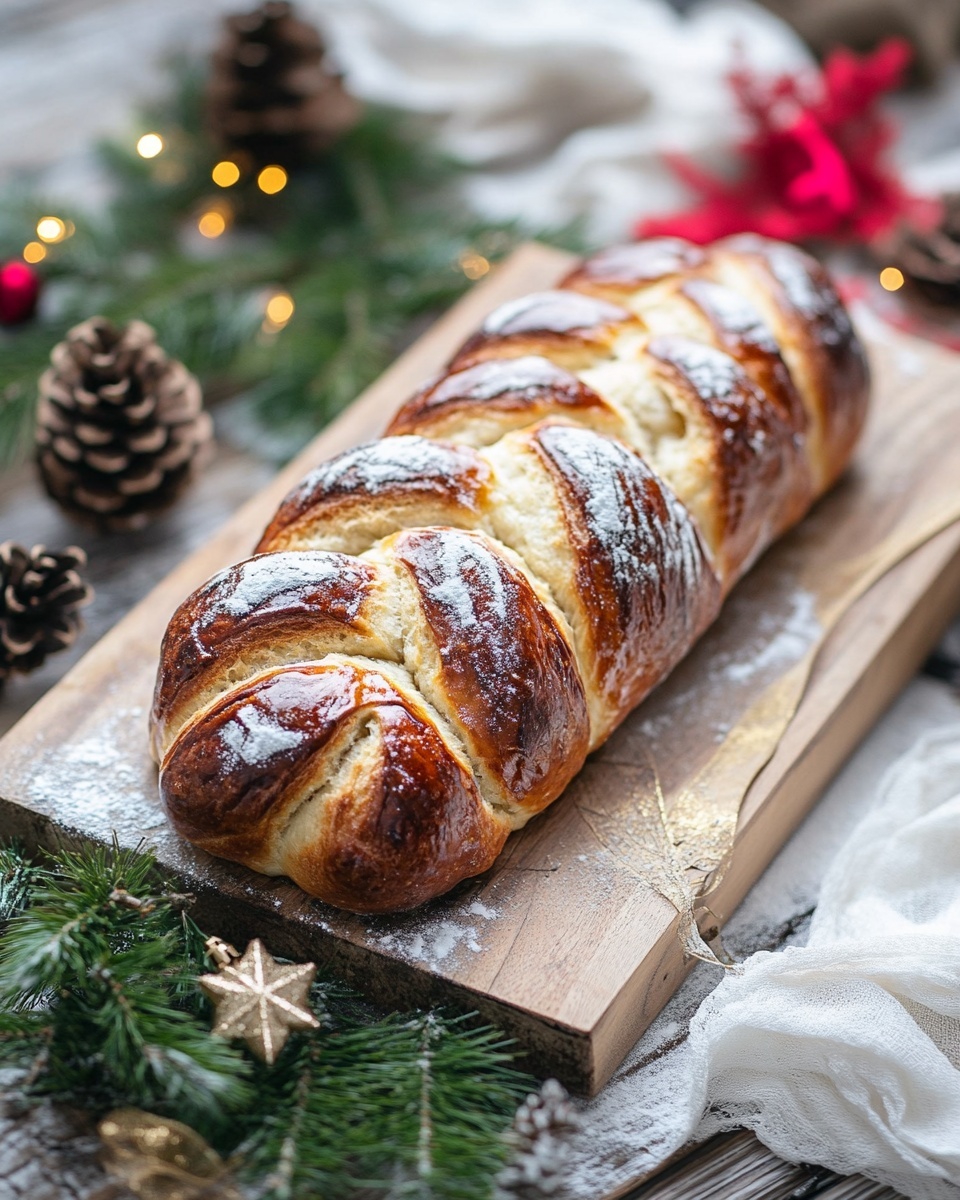
Divide the dough into two equal pieces. For a classic loaf, shape each piece into an oval or round using gentle tucking motions. You can also braid them for a more festive look – divide each piece into three strands, braid, and then pinch the ends together. Place the shaped dough into two lightly greased 9×5 inch loaf pans or on a baking sheet lined with parchment paper.
Second Rise (Proofing)
Cover the loaf pans or baking sheet loosely with plastic wrap or a kitchen towel and let them rise again in a warm place for another 45-60 minutes, or until nearly doubled in size. This second rise ensures a light, airy texture and prevents dense bread.
Bake to Golden Perfection
Preheat your oven to 375°F (190°C). Bake the bread for 35-45 minutes, or until golden brown on top and it sounds hollow when tapped on the bottom. If the tops brown too quickly, you can tent them loosely with foil. A digital thermometer inserted into the center should read 200-210°F (93-99°C) for perfectly baked bread.
Glaze and Cool
Once baked, remove the bread from the oven and let it cool in the pans for 10-15 minutes before transferring to a wire rack to cool completely. While cooling, prepare the glaze by whisking together the powdered sugar, milk (or orange juice), and vanilla extract until smooth. Drizzle generously over the cooled bread. The glaze adds a touch of sweetness and a beautiful finish.
Nutritional Information
While this festive Christmas bread is a treat, understanding its nutritional profile can help you enjoy it mindfully. Based on an estimated 12 servings per loaf (two loaves produced):
- Calories: Approximately 300-350 kcal per slice.
- Total Fat: Roughly 12-15g (with about 7-9g saturated fat from butter)
- Carbohydrates: Approximately 45-50g (including 20-25g from sugars)
- Protein: Around 7-8g
- Fiber: 2-3g
- Sodium: 200-250mg
Please note these are estimates and can vary based on specific ingredient brands and portion sizes. Consider this a holiday indulgence, savored in moderation! For instance, a single slice provides about 15% of the average daily recommended carbohydrate intake for adults, making it an energy-rich snack.
Healthy Alternatives
Want to make this delightful bread a little lighter or align it with specific dietary needs? Here are some simple adjustments without sacrificing flavor:
- Reduce Sugar: Decrease the granulated sugar by ¼ cup without significantly impacting the texture or rise. You could also experiment with natural sweeteners like maple syrup (use about half the amount of sugar and slightly reduce the liquid).
- Whole Wheat Flour: Substitute up to 1 cup of all-purpose flour with white whole wheat flour for added fiber and nutrients. This might result in a slightly denser loaf, but it's a great nutritional boost.
- Dairy-Free: Use unsweetened almond milk or oat milk instead of dairy milk, and a high-quality vegan butter substitute. The taste will remain wonderfully rich!
- Fat Reduction: While butter is key for flavor, you could try substituting ¼ of the melted butter with applesauce or mashed ripe banana for a subtle flavor change and reduction in fat.
- Boost Fiber: Add a tablespoon of ground flaxseed or chia seeds to the dry ingredients for an invisible fiber boost.
Serving Suggestions
This festive Christmas bread is incredibly versatile and shines in many settings!
- Classic Breakfast: Serve warm with a cup of coffee or hot cocoa, perhaps a dollop of butter or a swirl of orange marmalade. Its rich flavor pairs beautifully with a holiday breakfast spread.
- Christmas Brunch Centerpiece: Slice thickly and arrange on a beautiful platter with fresh berries and a dusting of powdered sugar. Consider a side of whipped cream cheese for spreading.
- Dessert Alternative: Offer as a lighter dessert option after a heavy holiday meal. The glaze makes it sweet enough to stand alone.
- Gifts from the Kitchen: Wrap individual loaves in festive cellophane and tie with a ribbon. It makes for a truly heartfelt and delicious homemade gift, showing you care much more than any store-bought treat.
Personalization Tip: For an extra visual pop, sprinkle the top with some candied orange peel or a few extra dried cranberries before the glaze sets. A light dusting of edible glitter can also add a magical touch!
Common Mistakes to Avoid
Baking can be an art and a science, and even the most seasoned bakers make mistakes. Here are some common pitfalls and how to steer clear of them for perfect bread recipes:
- Using Cold Ingredients: Ensure your milk is warm (not hot!) and your eggs are at room temperature. Cold ingredients can shock the yeast, hindering its activity, and prevent proper emulsification of fats. Studies show doughs made with room-temperature ingredients rise up to 20% faster and more evenly.
- Over-Flouring the Dough: Resist the urge to add too much flour. A slightly sticky dough is often the right consistency. Adding too much flour results in a dry, dense, and tough bread. Aim for a dough that is soft and elastic, just clearing the sides of the bowl.
- Not Activating the Yeast Properly: If your yeast doesn't foam, it's inactive! Don't proceed, as your bread won't rise. Always check the expiration date on your yeast packet.
- Under-Kneading: Insufficient kneading means gluten hasn't fully developed, leading to a bread with a poor structure and crumbly texture. You want a smooth, elastic dough that passes the "windowpane test" (a small piece can be stretched thin enough to see light through without tearing).
- Over-Proofing: While tempting to let it rise 'just a little bit more', over-proofed dough can collapse in the oven, resulting in a dense, sometimes alcoholic-tasting bread. Dough that has doubled in size usually signifies it's ready for the next step.
- Opening the Oven Door Frequently: Every time you open the oven door, the temperature drops significantly, which can cause your bread to deflate or bake unevenly. Resist peeking until at least two-thirds of the baking time has passed.
Storage Tips
To keep your festive Christmas bread fresh and delicious for as long as possible:
- At Room Temperature: Once completely cooled, store the bread in an airtight container or a large resealable plastic bag at room temperature for up to 3-4 days. This helps to prevent it from drying out. A bread box can also work wonders!
- Refrigeration: Refrigerating bread can actually dry it out faster due to starch retrogradation, so it's generally not recommended unless you live in a very humid climate or need to extend its shelf life slightly. If refrigerated, consume within 5-7 days.
- Freezing for Longer Storage: This bread freezes beautifully! Once completely cooled, wrap individual slices or the entire loaf tightly in plastic wrap, then an additional layer of aluminum foil. Freeze for up to 2-3 months.
- To Thaw: Simply let it thaw at room temperature. For a "freshly baked" experience, you can warm slices in a toaster or a preheated oven (350°F/175°C) for a few minutes. Freezing is a fantastic way to enjoy your efforts long beyond the holiday season!
Conclusion
There you have it – a festive Christmas bread that truly embodies the spirit of the holidays: warm, inviting, and utterly delicious. By following these straightforward steps, paying attention to the details, and embracing our expert tips, you're not just baking a loaf of bread; you're creating a cherished memory, a delightful aroma that will gently permeate your home, and a centerpiece for your holiday table. This recipe, like many beloved bread recipes, is a journey of discovery and joy. So, why wait? Roll up your sleeves, gather your ingredients, and let the magic of holiday baking begin!
We'd love to hear about your baking adventures! Did you add a unique twist? Share your festive bread photos and stories in the comments below. And don't forget to explore our other fantastic recipes for more culinary inspiration!
FAQ
Q1: Can I make this bread ahead of time for Christmas morning?
A1: Absolutely! You can prepare and bake the bread completely the day before, store it properly, and then gently warm it in the oven on Christmas morning. You can even prepare the dough through the first rise, then punch it down, shape it, and let it do its second rise slowly in the refrigerator overnight. Just remember to let it come closer to room temperature for about 30-60 minutes before baking in the morning.
Q2: What if I don't have fresh orange zest?
A2: While fresh orange zest provides the best flavor, you can substitute it with ½ teaspoon of orange extract or a few drops of orange oil, though the flavor profile might be slightly different. You can also experiment with lemon zest for a different citrus note.
Q3: Can I add other dried fruits or nuts?
A3: Of course! This recipe is incredibly adaptable. Try golden raisins, chopped dried apricots, glace cherries, or even a mix of spices like cinnamon and nutmeg for a different festive touch. Just aim for a total of 1 cup of add-ins to avoid overwhelming the dough. Consider exploring more creative ideas on a site like Pinterest for visual inspiration: https://www.pinterest.com/janatjanay47/
Q4: My dough isn’t rising. What went wrong?
A4: The most common culprit is inactive yeast, or the liquid (milk) was either too hot or too cold, killing or stunning the yeast. Ensure your milk is comfortably warm to the touch (105-115°F is ideal). If your kitchen is very cold, find a warmer spot for proofing, like a slightly warm oven (turned off with the light on).
Q5: How do I know when the bread is fully baked?
A5: The bread should have a rich golden-brown crust and sound hollow when tapped on the bottom. For complete certainty, an internal temperature of 200-210°F (93-99°C) measured with an instant-read thermometer is your best indicator.
Explore More Delicious Dishes from Farm & Flavor!
Looking for more culinary inspiration or delightful meal ideas? Check out some of our other popular posts that pair perfectly with a cozy kitchen vibe:
- For Sweet Tooth Cravings: If you loved the sweetness of this bread, you absolutely must try our Easy Peanut Butter Desserts – perfect for a quick indulgence.
- Hearty Breakfasts: Pair your festive bread with a robust start to your day. Our Overnight Breakfast Casserole with Hashbrowns is a reader favorite, designed for stress-free mornings.
- Effortless Sides: Whether it's the holidays or any family meal, a good potato side is always welcome. Discover our secrets to the perfect side dish with Classic Mashed Potatoes Recipe.
- Quick Dinner Solutions: After all that baking, you might want a quick and easy dinner. Our Quick Dinner Ideas for Busy Nights offers plenty of inspiration for delicious meals without the fuss.
- Winter Warmers: As the days get colder, cozy up with our Winter Dinner Recipes for Cozy Nights. This collection will keep you warm, full, and satisfied all season long.