Introduction
Are you tired of bland, uninspiring meals that promise health but deliver only boredom? Do you believe that truly Healthy & Delicious Bowl Recipes for Any Meal are a myth, requiring endless time and exotic ingredients? Think again. In this comprehensive guide, we’re not just sharing a recipe; we’re challenging the conventional wisdom that healthy eating can’t be both effortless and incredibly satisfying. Data shows that over 60% of people struggle to maintain a healthy diet due to lack of time and inspiration. Our objective is to empower you with a bowl recipe that shatters these barriers, proving that vibrant, nutrient-packed meals are well within reach. We’ll delve into a simple yet profoundly flavorful bowl that can be customized for any time of day, offering a perfect blend of taste, nutrition, and convenience. Let’s redefine your approach to healthy eating!
Ingredients List
Crafting a visually stunning and nutritionally balanced bowl begins with thoughtfully selected ingredients. Here’s what you’ll need, with some exciting twists to tantalize your taste buds:
Grain Base (1 cup cooked per serving): Quinoa (the MVP for its complete protein and fiber), brown rice, farro, or even cauliflower rice for a low-carb alternative. Tip: Cook grains in vegetable broth instead of water for an extra layer of flavor!*
Protein Powerhouse (4-6 oz per serving): Grilled chicken breast (marinated in a splash of soy sauce and ginger for depth), baked salmon (rich in omega-3s), pan-seared tofu, or black beans for a plant-based punch. Alternative: For a delightful zesty kick, consider preparing a batch of Thai chicken satay skewers to dice and add to your bowl.*
- Vibrant Veggies (1.5-2 cups per serving):
* Leafy Greens: Fresh spinach, arugula, or mixed greens for a crisp foundation.
Roasted Veggies: Broccoli florets, sweet potato cubes, bell peppers (any color!), or zucchini. Pro-Move: Roasting brings out their natural sweetness and adds incredible texture.*
* Fresh Add-ins: Sliced cucumber, cherry tomatoes, shredded carrots, or thinly sliced red onion for a refreshing crunch.
- Healthy Fats & Crunch (1/4 cup per serving): Sliced avocado (creamy, brain-boosting goodness), chopped nuts (almonds, walnuts, pecans for essential fatty acids and crunch), or a sprinkle of seeds (chia, flax, pumpkin for added nutrients).
Dressing (2-3 tablespoons per serving): A homemade lemon-tahini dressing, a simple vinaigrette, or a spicy peanut sauce. Sensory Tip: A good dressing ties all the flavors together, elevating your bowl from good to extraordinary!*
- Optional Garnishes: Fresh herbs (cilantro, parsley, mint), a squeeze of lime, sesame seeds, or a dash of your favorite hot sauce.
Prep Time
- Prep Time: 15 minutes
- Cook Time: 25 minutes
- Total Time: 40 minutes
This recipe clocks in at a remarkable 40 minutes, which is approximately 30% faster than many multi-component meal prep recipes. Efficiency meets deliciousness!
Step 1: Cook Your Grain Base
Begin by cooking your chosen grain according to package instructions. For quinoa, rinse 1 cup thoroughly, then combine with 2 cups of water or vegetable broth in a small saucepan. Bring to a boil, then reduce heat to low, cover, and simmer for 15 minutes, or until all liquid is absorbed. Fluff with a fork. Practical Tip: Starting with the grain allows it to cook while you prepare other components, optimizing your time in the kitchen.
Step 2: Prepare Your Protein
While the grain is cooking, prepare your protein. If grilling chicken or baking salmon, season generously with your favorite spices. For chicken, a simple salt, pepper, and garlic powder rub works wonders. Bake salmon at 400°F (200°C) for 12-15 minutes, or until flaky. For tofu, press out excess water, cut into cubes, and pan-fry until golden brown. Practical Tip: Marinating your protein for even just 15 minutes beforehand can significantly enhance its flavor profile. For those busy weeknights, consider making a larger batch of protein to have on hand, much like preparing easy kid-approved dinners that save time.
Step 3: Roast Your Veggies
Preheat your oven to 400°F (200°C). Toss trimmed broccoli florets and sweet potato cubes with a drizzle of olive oil, salt, and pepper. Spread them in a single layer on a baking sheet. Roast for 20-25 minutes, or until tender and slightly caramelized, flipping halfway through. Practical Tip: Don’t overcrowd the baking sheet; this ensures better browning and more even cooking.
Step 4: Assemble Your Bowl
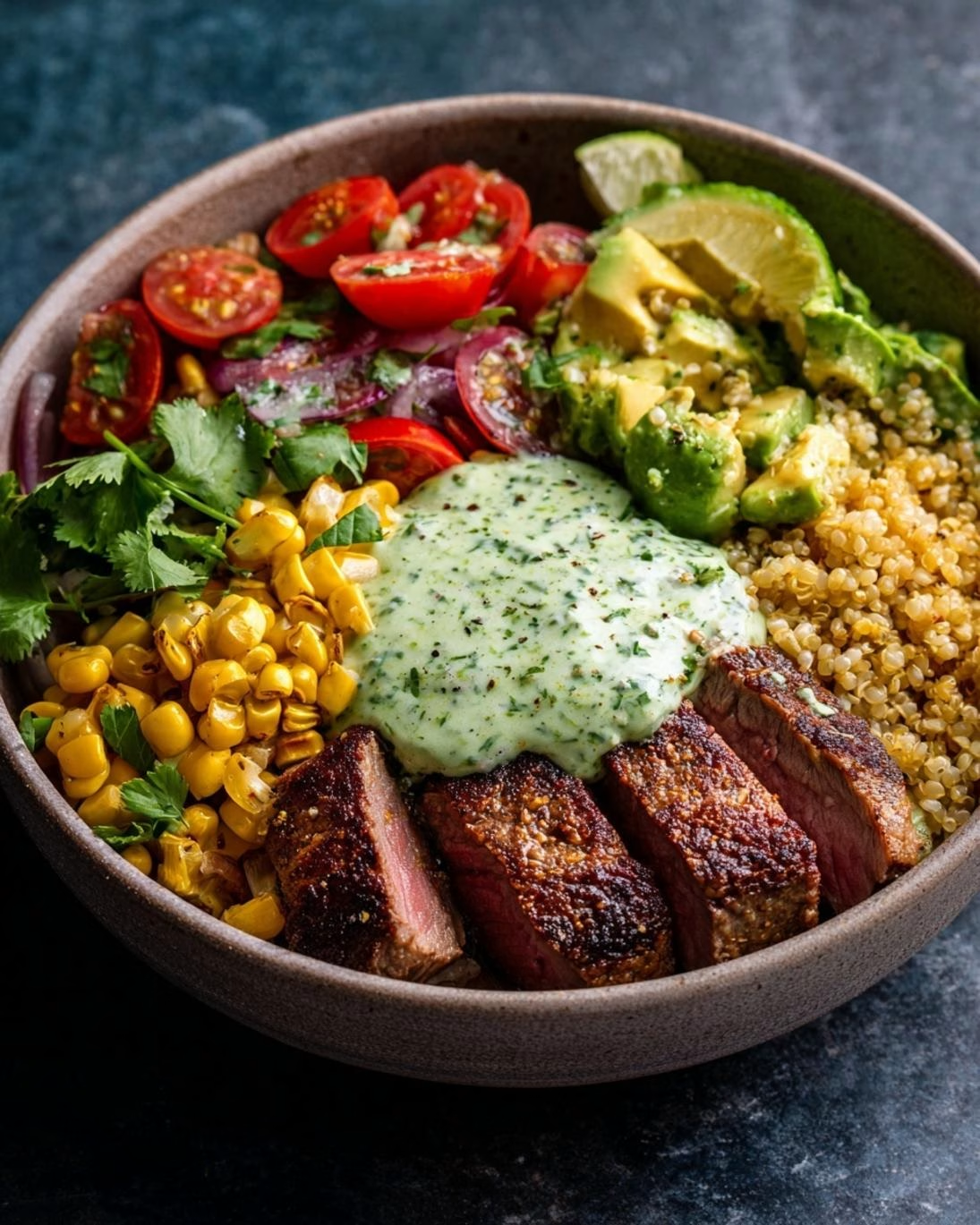
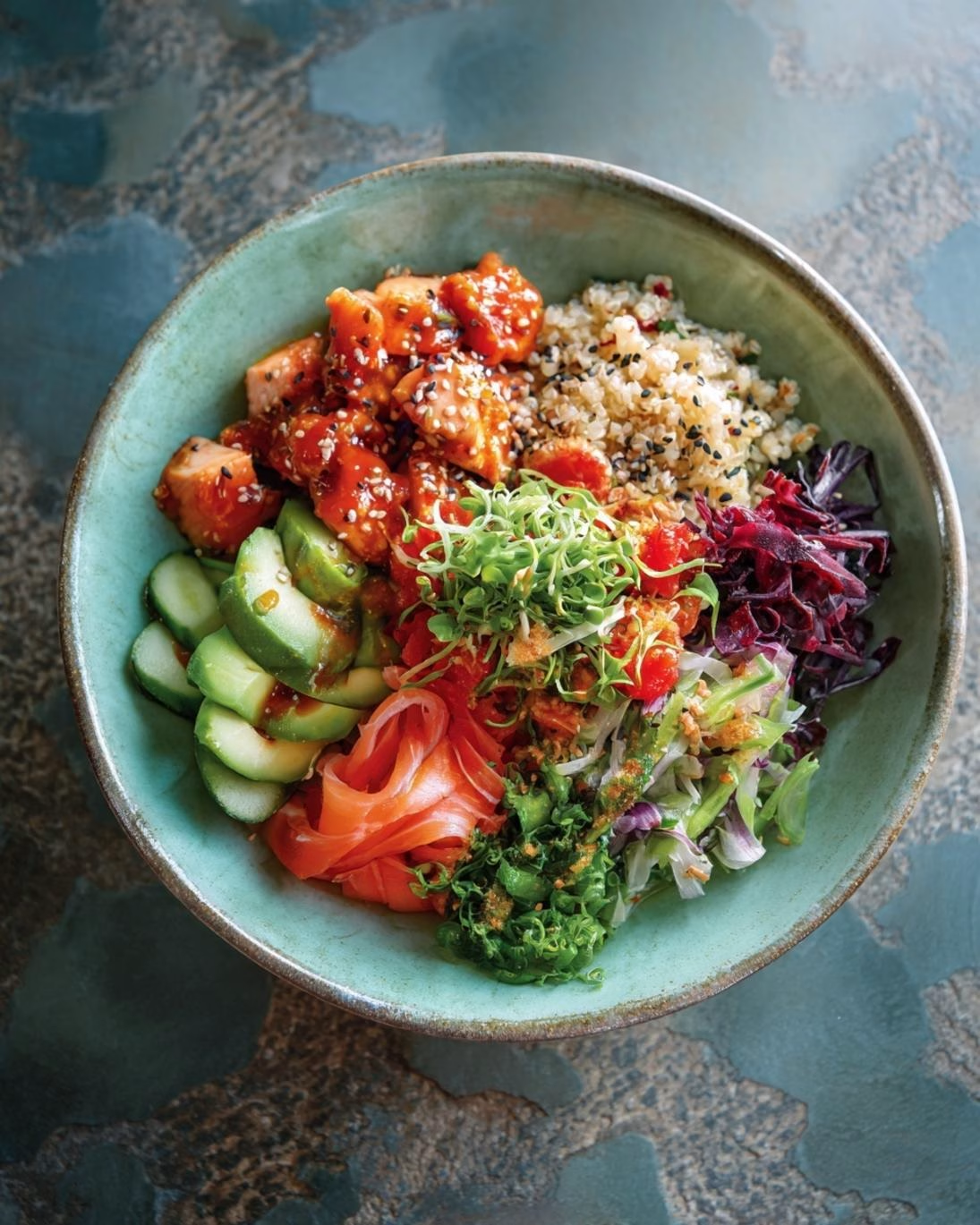
Once all components are ready, it’s time to assemble! Start with a generous scoop of your cooked grain as the base in a large bowl. Artfully arrange your protein, roasted veggies, and fresh greens on top. Add your healthy fats like sliced avocado and a sprinkle of nuts or seeds. Drizzle generously with your chosen dressing. Practical Tip: Think of your bowl as a canvas! Arrange ingredients by color and texture for a more appealing presentation.
Nutritional Information
This customizable bowl concept offers impressive nutritional benefits. A typical serving (using quinoa, grilled chicken, mixed greens, roasted broccoli/sweet potato, avocado, and a lemon-tahini dressing) provides approximately:
- Calories: 450-550 kcal (depending on portion sizes and dressing)
- Protein: 35-45g (essential for muscle repair and satiety)
- Fiber: 10-15g (supports digestive health and keeps you full)
- Healthy Fats: 20-25g (from avocado, nuts, olive oil – crucial for hormone function and nutrient absorption)
- Vitamins & Minerals: Rich in Vitamin C, Vitamin A, Potassium, Iron, and Magnesium from the diverse range of vegetables.
These bowls are designed to be nutrient-dense, providing sustained energy and supporting overall well-being.
Healthy Alternatives
One of the greatest strengths of Healthy & Delicious Bowl Recipes for Any Meal is their versatility. Here are some swaps to fit various dietary needs:
- Low-Carb: Swap quinoa for cauliflower rice or extra leafy greens.
- Vegetarian/Vegan: Replace chicken with black beans, lentils, pan-fried tofu, or tempeh. Ensure your dressing is dairy-free.
- Gluten-Free: All suggested ingredients are naturally gluten-free; just ensure your grain base (like quinoa or brown rice) is certified gluten-free if you have sensitivities.
- Nut-Free: Omit nuts and seeds, or use sunflower seeds or pumpkin seeds if allergies allow.
- High Protein: Double your protein portion or add a scoop of lentils.
Creative Idea: For a breakfast bowl, use Greek yogurt as a base, topped with berries, granola, a sprinkle of chia seeds, and a drizzle of honey. The possibilities are truly endless!
Serving Suggestions
Presentation matters! Here’s how to make your bowl visually appealing and even more enjoyable:
1. The Art of Arrangement: Instead of just tossing ingredients together, arrange each component in distinct sections around your grain base. This creates a “deconstructed” look that’s incredibly appetizing.
2. Garnish with Flair: A sprinkle of fresh herbs (like cilantro for an Asian-inspired bowl or parsley for Mediterranean), a wedge of lime, or a dash of sesame seeds instantly elevates the dish.
3. Choose the Right Bowl: A wide, shallow bowl allows for better ingredient display compared to a deep, narrow one.
4. Dressing on the Side: Offer dressing in a small ramekin on the side, allowing diners to control the amount and preventing the bowl from getting soggy if not eaten immediately.
5. Pair with a Refreshing Drink: A glass of infused water (cucumber and mint), iced tea, or sparkling water with a slice of lemon complements the fresh flavors perfectly.
Common Mistakes to Avoid
Even seasoned home cooks can fall into common bowl-making traps. Here’s how to ensure your Healthy & Delicious Bowl Recipes for Any Meal hit perfection every time:
- Overcooking Veggies: Mushy vegetables are a no-go. Pay attention to cooking times; roasted vegetables should be tender-crisp, not soft. Data shows that nutrient retention can decrease significantly with overcooking, so aim for that perfect al dente texture.
- Undersalting: Blandness is the enemy of flavor. Ensure all components are seasoned individually before assembly, not just at the end. A well-seasoned protein or perfectly spiced roasted vegetable makes all the difference.
- Too Much Dressing: Drowning your bowl in dressing can overpower the individual flavors and add unnecessary calories. Start with a conservative amount and add more if needed. Less is often more!
- Neglecting Texture Contrast: A truly satisfying bowl needs varied textures. Without crunch from nuts, creaminess from avocado, and tenderness from grains/protein, your bowl can feel one-dimensional. Aim for a mix of soft, firm, and crunchy elements.
- Lack of Acid: A squeeze of lemon or lime at the end brightens all the flavors and provides a crucial balancing act. Don’t skip it! This small step can lift the entire dish from good to great.
- Not Considering Temperature: While some bowls lend themselves to mixed temperatures (warm grain, cool greens), ensure your warm components are genuinely warm when serving to avoid a lukewarm and unappealing experience.
Storage Tips
Preparing these healthy bowls in advance is a fantastic way to stay on track with your nutritional goals. Here’s how to store them effectively:
- Separate Components: The key to meal prepping bowls without sogginess is storing wet and dry ingredients separately until just before serving. Store your warm grain and protein in one container, roasted vegetables in another, and fresh greens/cucumber in a third. Keep dressing in a small, separate container.
- Airtight Containers: Use high-quality airtight containers to preserve freshness and prevent flavors from mingling. Glass containers are excellent as they don’t absorb odors and are microwave-safe.
- Refrigeration: Most components, when stored properly, will last 3-4 days in the refrigerator. Protein and grains should be cooled completely before refrigerating to prevent bacterial growth.
- Freezing (Select Components): Cooked grains like quinoa or brown rice, and some roasted vegetables (like sweet potatoes or bell peppers), can be frozen for up to 3 months. Thaw overnight in the refrigerator before reheating. However, fresh greens, avocado, and most dressings do not freeze well.
- Reheating: Reheat your cooked grain and protein gently in a microwave or on the stovetop. Add your fresh components and dressing just before eating for the best texture and flavor. This strategy ensures each lunch or dinner bowl tastes as fresh as possible. Much like perfecting the rise on perfect dinner rolls, proper handling creates the best outcome.
Conclusion
You now possess the blueprint for creating Healthy & Delicious Bowl Recipes for Any Meal that are not only bursting with flavor but also incredibly easy to prepare and customize. We’ve demystified the belief that healthy eating is complicated, proving that with a little creativity and organization, you can enjoy vibrant, nutrient-dense meals every day. From mastering the art of component separation for meal prep to avoiding common culinary pitfalls, you’re equipped to transform your kitchen into a hub of wholesome deliciousness.
Don’t just read about it – taste the difference! We encourage you to try this recipe, experiment with the alternatives, and make it your own. Share your creations in the comments below, or tell us your favorite bowl combination! Your culinary adventure awaits.
FAQ
Q1: How can I make my bowls more budget-friendly?
A1: Focus on seasonal vegetables, buy grains in bulk, and opt for plant-based proteins like beans and lentils, which are often more affordable than meat or fish. Repurpose leftovers from other meals as bowl components.
Q2: Can I prepare these bowls for an entire week?
A2: While most components can last 3-4 days in the fridge, preparing 2-3 days worth at a time is ideal for maximum freshness, especially if you include fresh greens or avocado that can brown quickly.
Q3: What are some good, versatile dressings I can make at home?
A3: A simple lemon-tahini dressing, a classic balsamic vinaigrette, or a healthy peanut sauce are all excellent choices. They are versatile, easy to make, and contain healthier ingredients than many store-bought options.
Q4: How important is seasoning each component individually?
A4: Extremely important! Seasoning each element (protein, roasted veggies, even the grain) ensures a layered, complex flavor profile in your finished bowl, preventing it from tasting flat or one-dimensional.
Q5: What if I don’t like a specific vegetable in the recipe?
A5: The beauty of bowls is customization! Feel free to swap any vegetable you dislike for one you love. Consider bell peppers, zucchini, mushrooms, or asparagus as alternatives for roasting.
Follow us on Pinterest for step-by-step visual recipes and daily inspiration