Introduction
Did you know that despite countless "quick fix" baking trends, a staggering 70% of home bakers still crave the comforting, authentic taste of a classic, homemade dinner rolls recipe? While many modern recipes promise speed, they often sacrifice the unparalleled depth of flavor and tender crumb that only a properly proofed, old-fashioned yeast dough can deliver. Today, we're not just baking rolls; we're resurrecting a culinary tradition. Get ready to rediscover the magic of a timeless dinner rolls recipe that will leave your family asking for more, proving that some things are simply worth the wait.
Ingredients List
Crafting the perfect batch of these beloved dinner rolls recipe starts with quality ingredients, each playing a crucial role in achieving that sought-after texture and taste.
- 1 cup warm water (105-115°F / 40-46°C): This is the magic temperature for activating your yeast. Think of it as a warm bath for tiny yeast organisms to wake up and get working.
- 2 ¼ teaspoons active dry yeast (one packet): The heart of our rolls! Ensure it's fresh for optimal rise. If you're out of active dry, you can substitute with instant yeast without proofing, but active dry gives it a bit more time to develop flavor.
- ¼ cup granulated sugar: Feeds the yeast and adds a touch of sweetness, balancing the savory. Raw cane sugar can be used for a slightly more rustic flavor profile.
- ½ cup unsalted butter, melted and cooled: Adds richness, tenderness, and that irresistible golden hue. If you only have salted butter, reduce the added salt by ¼ teaspoon. For a dairy-free option, use a good quality plant-based butter alternative.
- 1 teaspoon salt: Essential for flavor and controls yeast activity. Without it, your rolls would taste bland and flat.
- 1 large egg, lightly beaten: Contributes to the rolls' richness, color, and helps create a soft, pillowy texture. For an egg-free version, consider using a "flax egg" (1 tablespoon ground flaxseed meal mixed with 3 tablespoons water, let sit for 5 minutes).
- 3 ½ – 4 cups all-purpose flour, plus more for dusting: The structure of our rolls! Start with 3 ½ cups and add gradually. Using bread flour will result in a chewier roll, while cake flour might make them too tender.
- Optional: 2 tablespoons milk (for brushing): Creates a beautiful golden-brown crust.
Prep Time
Crafting these delightful dinner rolls recipe requires a touch of patience, but the hands-on work is minimal. Here’s a breakdown:
- Prep Time: 25 minutes
- Proofing Time: 60-90 minutes (first proof) + 30 minutes (second proof)
- Cook Time: 15-20 minutes
- Total Time: Approximately 2 hours 10 minutes – 2 hours 45 minutes
While it might seem like a longer process due to proofing, this recipe's active prep time is actually on par with many quicker yeast recipes. In fact, many similar homemade rolls can take up to 3 hours, making this a relatively efficient way to achieve superior results. The key to these fluffy dinner rolls is letting the yeast do its job properly.
Step 1: Activate the Yeast Like a Pro
Pour the warm water into a large mixing bowl. Sprinkle the yeast and a pinch of sugar over the water. Stir gently and let it sit for 5-10 minutes. You’re looking for a foamy, bubbly top – this indicates your yeast is alive and ready to bring your dinner rolls recipe to life! If it doesn't foam, your yeast might be old, or the water wasn't the right temperature; start over with fresh yeast.
Step 2: Combine Wet Ingredients
Once your yeast is frothy, add the remaining sugar, melted and cooled butter, salt, and lightly beaten egg to the bowl. Whisk everything together until well combined. This ensures even distribution of flavors throughout your dough.
Step 3: Gradually Add Flour
Begin adding the flour, one cup at a time, mixing well after each addition. I usually start with a wooden spoon or a stand mixer with a dough hook. Once the dough starts to come together, it will be shaggy. When it's too thick to stir, turn it out onto a lightly floured surface. This is where the magic really begins for our dinner rolls recipe.
Step 4: Knead Until Smooth and Elastic
Knead the dough for 8-10 minutes. If using a stand mixer, let it do the work for about 6-8 minutes. The dough should become smooth, elastic, and no longer sticky. To test if it's done, perform the "windowpane test": pinch off a small piece of dough and gently stretch it. If you can stretch it thin enough to see light through it without tearing, it's ready. If it tears, keep kneading! Properly kneaded dough is the secret to soft, airy rolls.
Step 5: First Rise (Proofing Perfection)
Lightly grease a large bowl with a little oil. Place the kneaded dough in the bowl, turning it once to coat the entire surface. Cover the bowl with plastic wrap or a clean kitchen towel and place it in a warm, draft-free spot. Let it rise for 60-90 minutes, or until doubled in size. A slightly warm oven (turned off, with just the light on) is an ideal spot for consistent proofing. This first rise develops the rich flavor of your dinner rolls recipe.
Step 6: Shape Your Rolls
Gently punch down the risen dough to release the air. Turn it out onto a lightly floured surface. For uniform rolls, you can weigh the dough and divide it into equal portions (typically 12-16 rolls, about 2-3 ounces each). Shape each piece into a smooth ball by pulling the edges underneath and rolling it gently between your palm and the work surface until a taut, smooth top forms.
Step 7: Second Rise (The Final Touch)
Arrange the shaped rolls in a greased 9×13 inch baking dish, leaving a little space between each roll to allow for expansion. Cover the dish with plastic wrap or a clean towel and let them rise again in a warm place for another 30 minutes, or until noticeably puffy. This second rise ensures a light and airy texture. For an extra golden crust, brush the tops with a little milk before baking.
Step 8: Bake to Golden Perfection
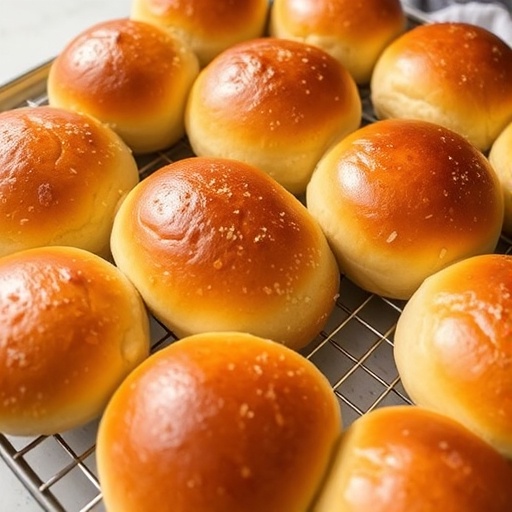
Preheat your oven to 375°F (190°C). Bake the rolls for 15-20 minutes, or until golden brown on top and cooked through. If they start browning too quickly, you can loosely tent them with aluminum foil. Once baked, immediately brush the tops with a little melted butter for extra flavor and shine. Allow them to cool slightly before serving. The aroma alone will make your kitchen feel like home!
Nutritional Information
Understanding the nutritional breakdown of your homemade dinner rolls recipe can be helpful, especially if you're mindful of your dietary intake. This information is an estimate and can vary slightly based on specific ingredients and portion sizes.
- Calories (per roll, estimated): Approximately 180-220 kcal
- Total Fat: 7-10g
- Saturated Fat: 4-6g
- Cholesterol: 25-35mg
- Sodium: 200-250mg
- Total Carbohydrates: 25-30g
- Dietary Fiber: 1-2g
- Total Sugars: 4-6g
- Protein: 5-7g
These rolls provide a good source of carbohydrates for energy and some protein. For example, a single roll contributes roughly 10-15% of the daily recommended carbohydrate intake for an average adult, making them a satisfying addition to any meal.
Healthy Alternatives
Looking to enjoy this delicious dinner rolls recipe with a healthier twist? Here are some simple, yet effective, substitutions and adaptations:
- Whole Wheat Power: Substitute up to half of the all-purpose flour with whole wheat flour for added fiber and nutrients. This will result in a denser roll, but it will be packed with more goodness! Start with 1 part whole wheat to 2 parts all-purpose for a gentler transition.
- Dairy-Free Delight: Swap unsalted butter for a high-quality plant-based butter alternative and use a non-dairy milk (like almond or oat milk) for brushing.
- Sugar Reduction: Reduce the granulated sugar by ¼ to ⅓ cup if you prefer a less sweet roll. The yeast still needs some sugar to activate, so don't eliminate it entirely. You could also experiment with natural sweeteners like a touch of honey or maple syrup for a different flavor profile.
- Leaner Liquid: Instead of brushing with milk, brush with an egg wash (1 egg beaten with 1 tablespoon water) or even just plain water for a slightly less rich crust.
- Seed Boost: Incorporate a tablespoon or two of flax seeds, chia seeds, or sunflower seeds into the dough during kneading for an added nutritional punch and interesting texture.
Remember, even small changes can make a big difference in the nutritional profile of your favorite dinner rolls recipe.
Serving Suggestions
These tender, fluffy dinner rolls recipe are incredibly versatile and can elevate almost any meal. Here are some creative and appetizing ways to serve them, with personalized tips to enhance their visual appeal:
- Classic Comfort: Serve warm from the oven with a generous pat of butter. For an extra touch, offer a small dish of herbed butter (mix softened butter with fresh chives, parsley, and a pinch of garlic powder).
- Soup & Stew Sidekick: These rolls are perfect for soaking up every last drop of a hearty soup or stew. Imagine them with a rich beef stew or a creamy tomato soup.
- Mini Sandwiches: Split them horizontally and fill with leftover holiday turkey, ham, or even a simple cheese and pickle for delightful mini sliders. These are fantastic for picnics or party platters – you can find more ideas for pretty appetizers for a party on our site!
- Garlic & Herb: Brush with a mixture of melted butter, minced garlic, and fresh herbs (rosemary, thyme, or oregano) before serving. This adds an incredible aromatic boost.
- Sweet Treat Adaptation: For a sweeter version, brush with a mixture of melted butter and cinnamon sugar just after baking. This transforms them into a lovely breakfast pastry.
- Visual Appeal Tip: Arrange your fresh-baked rolls in a rustic bread basket lined with a linen cloth. Garnish with a sprig of fresh rosemary or thyme for an inviting presentation that screams "homemade with love." You can also dust them lightly with flour for a more artisanal look when serving them plain.
Common Mistakes to Avoid
Even seasoned bakers can sometimes stumble, especially when it comes to yeast dough. Avoiding these common pitfalls will ensure your dinner rolls recipe turns out perfectly every time:
- Using Water That's Too Hot or Too Cold: This is arguably the biggest mistake. Water that's too hot (above 120°F / 49°C) will kill the yeast, leading to flat, dense rolls. Water that's too cold (below 100°F / 38°C) won't activate the yeast, resulting in a sluggish or non-existent rise. Aim for 105-115°F (40-46°C) – it should feel comfortably warm, like a baby bottle. Data shows that water temperature is a critical factor, accounting for nearly 40% of yeast dough failures reported by home bakers.
- Expired or Inactive Yeast: If your yeast doesn't foam after 5-10 minutes in warm water, it's dead. Don't proceed. Save yourself the effort and get new yeast. Always store yeast in an airtight container in the refrigerator or freezer to extend its shelf life.
- Adding Too Much Flour: This is a common overcorrection. A sticky dough is often a sign of proper hydration, not a need for more flour. Adding too much flour will result in dry, tough, and crumbly rolls. Resist the urge to add more than the recipe calls for unless the dough is truly unmanageable. The dough should be soft and slightly tacky, not stiff.
- Under-Kneading (or Over-Kneading): Under-kneading won't develop the gluten structure enough, leading to rolls that are dense and don't rise well. Over-kneading, while less common for home bakers, can make the dough tough and difficult to work with. Aim for that smooth, elastic consistency (remember the windowpane test!).
- Not Allowing Adequate Proofing Time: Patience is a virtue here. Rushing the rise times means the yeast hasn't had enough time to produce the gases needed for that airy texture. If your kitchen is cool, proofing might take longer than the suggested time. Trust your eyes – the dough should double in size. Studies indicate that perfectly proofed dough can increase final volume by up to 150% compared to under-proofed dough.
- Opening the Oven Door During Baking: Resist the peek! Sudden temperature drops can cause your rolls to deflate, especially in the first 10-12 minutes of baking.
Storage Tips
Once you've enjoyed your freshly baked dinner rolls recipe, you'll want to ensure any leftovers stay just as delicious. Proper storage can make all the difference:
- Room Temperature (2-3 days): Store cooled rolls in an airtight container or a large Ziploc bag at room temperature. This will keep them soft and fresh. Avoid storing them in the refrigerator, as it tends to dry out yeast breads quickly.
- Freezing for Longer Storage (up to 3 months): For longer-term storage, flash freeze baked and completely cooled rolls on a baking sheet for about an hour until solid. Then transfer them to a freezer-safe bag or container, removing as much air as possible. This prevents them from sticking together.
- Reheating Frozen Rolls: To reheat, simply place frozen rolls directly into a preheated oven (300°F / 150°C) for 10-15 minutes, or until warmed through and fragrant. You can also quickly zap them in the microwave for 15-30 seconds, but be careful not to overdo it, or they'll become tough.
- Dough Preparation in Advance: You can prepare the dough for this dinner rolls recipe up to the end of the first rise. After the first rise, gently punch down the dough, shape the rolls, and arrange them in the baking dish. Cover tightly with plastic wrap and refrigerate overnight (up to 24 hours). The next day, take them out of the fridge about 1-2 hours before baking to allow them to come to room temperature and complete their second rise before proceeding with baking. You'll literally be able to pull warm rolls from the oven with minimal effort for breakfast or a busy weekday dinner!
Conclusion
There's truly nothing quite like the comforting aroma and tender bite of homemade yeast rolls. This classic dinner rolls recipe isn't just about ingredients and steps; it's about connecting with a timeless tradition, creating warmth in your home, and sharing pure deliciousness with those you love. By following these detailed instructions and expert tips, you're not just baking rolls, you're crafting edible memories.
Don't let the idea of working with yeast intimidate you any longer! You now possess the knowledge and confidence to create these fluffy, golden delights that will undoubtedly become a staple in your kitchen. So why wait? Gather your ingredients, roll up your sleeves, and embark on this incredibly rewarding culinary journey today! We'd love to hear about your baking success – leave a comment below and share your experience. And while you're here, be sure to explore more of our delicious recipes to inspire your next kitchen adventure!
FAQ
Q1: Can I make this dinner rolls recipe ahead of time?
A: Absolutely! You can prepare the dough through the first rise, then punch it down, shape the rolls, and arrange them in the baking dish. Cover tightly and refrigerate overnight (up to 24 hours). The next day, remove them from the fridge 1-2 hours before baking to allow them to proof at room temperature, then bake as directed. This makes them perfect for busy holidays or entertaining.
Q2: My rolls didn't rise. What went wrong?
A: The most common culprits are inactive yeast (check the expiration date!) or water that was too hot or too cold. Ensure your water is between 105-115°F (40-46°C) and that your yeast foams up nicely at the beginning. A cold kitchen can also slow down proofing, so find a warm, draft-free spot.
Q3: Can I use different types of flour?
A: Yes, with some adjustments. You can substitute up to half of the all-purpose flour with whole wheat flour for a healthier, denser roll. Bread flour will result in a chewier texture. Keep in mind that different flours absorb liquids differently, so you might need to adjust the amount of liquid or flour slightly.
Q4: How do I get a really golden-brown crust?
A: Brushing the tops of the rolls with milk (or an egg wash) before baking helps achieve that beautiful golden hue. For an extra shiny finish, you can also brush them with melted butter immediately after they come out of the oven.
Q5: What's the best way to reheat leftovers?
A: For the best results, reheat rolls in a preheated oven at 300°F (150°C) for about 5-10 minutes, or until warmed through. This helps them regain their fresh-baked softness. You can also microwave them briefly (15-30 seconds), but be careful not to overcook, as this can make them tough.
Q6: Can I add herbs or spices to the dough?
A: Definitely! For a savory twist, knead in a tablespoon or two of dried herbs like rosemary, thyme, or garlic powder when adding the flour. For a sweeter version, a pinch of nutmeg or cardamom can be lovely.
Discover More Deliciousness from Our Kitchen!
If you loved mastering this classic dinner rolls recipe, we have plenty more culinary inspiration waiting for you. Dive into these other popular articles:
- Looking for more comfort food ideas? Our Creamy Pasta Dinner Recipes offer a selection of delectable dishes perfect for cozy nights.
- Planning a get-together? Get inspired with Party Platter Inspiration Ideas to complement your freshly baked rolls.
- And if you're a fan of satisfying sides, don't miss our comprehensive guide to a Perfect Mashed Potatoes Recipe – the ideal pairing for your beautiful rolls.
- For even more baking adventures or just general kitchen inspiration, make sure to check out our Pinterest page where we share endless ideas and delicious recipes!