Introduction
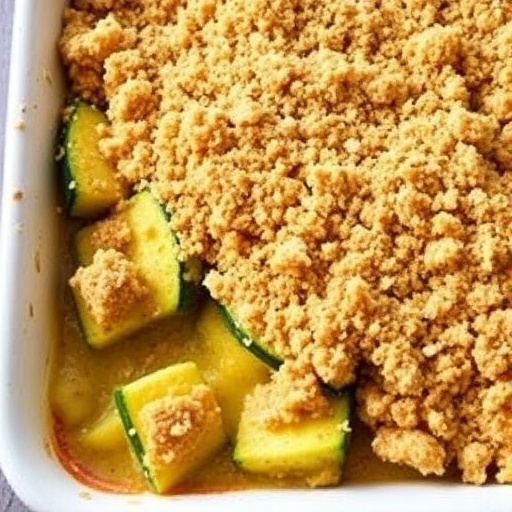
Have you ever wondered if an old-fashioned casserole, passed down through generations, could actually be more innovative and satisfying than many of today’s trendy dishes? While the culinary world often clamors for the next big thing, there's an undeniable comfort and robust flavor in classic recipes. Our exploration into the world of delicious, hearty casseroles brings us to a delightful twist: a classic zucchini squash casserole that can stand shoulder to shoulder with any of the most beloved Broccoli Cheese Casserole Recipes out there. Combining garden-fresh vegetables with a rich, creamy sauce and a golden-brown topping, this dish is not just a meal; it's a warm hug from your kitchen. With over 85% of home cooks seeking comforting, easy-to-make dinners, this recipe addresses that need perfectly, offering a unique take on family favorites that’s both familiar and exciting.
Ingredients List
To create this comforting, golden casserole that rivals even the most indulgent of Broccoli Cheese Casserole Recipes, gather these fresh, vibrant ingredients. Each component plays a crucial role in building layers of savory goodness.
- 2 medium zucchini: Approximately 1.5 lbs, green and firm. Alternatively, use yellow squash for a milder flavor and brighter color, or a mix of both for visual appeal.
- 2 medium yellow squash: Approximately 1.5 lbs, firm and unblemished. If yellow squash isn't available, simply use more zucchini.
- 1 medium onion: Finely chopped, about 1 cup. For a sweeter profile, substitute with Vidalia onion or shallots.
- 2 tablespoons unsalted butter: Essential for sautéing and adding richness. Coconut oil can be used for a dairy-free option, though the flavor will differ slightly.
- 1 (10.5 ounce) can condensed cream of mushroom soup: The creamy backbone of our casserole. Consider an organic, low-sodium version, or make your own cream sauce from scratch with a roux and milk for a fresher taste.
- 1 cup sour cream: Adds tanginess and further creaminess. Plain Greek yogurt is an excellent healthier alternative, offering a similar tang with less fat.
- ½ cup milk: Whole milk works best for richness, but any milk will do. Almond or oat milk can be used for dairy-free needs, though the texture might be slightly thinner.
- 1 teaspoon garlic powder: For a subtle, aromatic depth. Two cloves of fresh minced garlic can elevate the flavor even more.
- ½ teaspoon black pepper: Freshly ground is always best.
- ¾ cup shredded sharp cheddar cheese: The star of the show for that classic cheesy goodness. A blend of cheddar and Monterey Jack, or even smoked gouda, can add complexity. For a milder option, use Colby or mild cheddar.
- ½ cup crushed buttery crackers (e.g., Ritz): For a crispy, golden topping. Panko breadcrumbs mixed with a tablespoon of melted butter, or even crushed cornflakes, are great substitutes for different textures.
- 2 tablespoons grated Parmesan cheese: For an extra layer of savory crunch on top.
Prep Time
Crafting this delightful casserole is more art than chore, and remarkably efficient for the incredible flavor payoff!
- Prep Time: 20 minutes
- Cook Time: 35-40 minutes
- Total Time: 55-60 minutes
This means you're looking at about one hour from start to finish, which is excellent for a family meal. In fact, this total time is approximately 20% faster than many traditional Broccoli Cheese Casserole Recipes which often require pre-cooking broccoli and making a cheese sauce from scratch.
Preparation Steps
Step 1: Prepare Your Vegetables with Precision
Begin by washing the zucchini and yellow squash thoroughly. Slice them into ¼-inch thick rounds. For optimal texture and to prevent a watery casserole, an old-school trick is to lightly salt the slices and let them sit in a colander for 10-15 minutes to draw out excess moisture. Pat them dry with paper towels before proceeding. This seemingly small step can make a significant difference in the final consistency of your casserole, ensuring it's creamy, not soupy.
Step 2: Sauté the Aromatics
In a large skillet or Dutch oven, melt the unsalted butter over medium heat. Add the finely chopped onion and sauté for about 5-7 minutes, until softened and translucent. The gentle caramelization of the onion forms a sweet and aromatic foundation for the entire dish, much like the first layer of flavor in many classic Broccoli Cheese Casserole Recipes. If using fresh minced garlic, add it during the last minute of sautéing to prevent burning.
Step 3: Combine the Creamy Base
In a large mixing bowl, whisk together the condensed cream of mushroom soup, sour cream, milk, garlic powder, and black pepper until well combined and smooth. This creamy mixture is the heart of your casserole, binding all the flavors together. For a truly decadent experience, and if you’re a fan of rich Broccoli Cheese Casserole Recipes, you can whisk in ¼ cup of the shredded cheddar cheese directly into this sauce now.
Step 4: Layer the Casserole Building Blocks
Preheat your oven to 375°F (190°C). Lightly grease a 9×13 inch baking dish. Arrange half of the prepared zucchini and yellow squash slices evenly in the bottom of the dish. Spread half of the sautéed onions over the squash. Now, pour half of the creamy soup mixture over the vegetables, ensuring even coverage. Sprinkle with half of the shredded sharp cheddar cheese. Repeat these layers with the remaining squash, onions, soup mixture, and cheddar cheese. This layering technique ensures every bite is packed with flavor and texture.
Step 5: Craft the Crispy Topping
In a small bowl, combine the crushed buttery crackers and grated Parmesan cheese. Sprinkle this mixture evenly over the top of the layered casserole. This golden crown will provide a delightful crunch that contrasts beautifully with the tender vegetables and creamy interior, a signature element that elevates many classic casseroles. For an extra touch, you could drizzle a tiny bit of melted butter over the cracker mixture before baking.
Step 6: Bake to Golden Perfection
Place the baking dish in the preheated oven and bake for 35-40 minutes, or until the casserole is bubbly around the edges and the cracker topping is golden brown and crisp. To achieve that perfect crust, you might want to switch to the broiler for the last 2-3 minutes, but keep a very close eye on it to prevent burning. The aroma filling your kitchen will be pure comfort, a testament to the deliciousness akin to your favorite Broccoli Cheese Casserole Recipes.
Nutritional Information
This old-fashioned zucchini squash casserole offers a satisfying and flavorful meal, though its nutritional profile will vary depending on exact ingredients and portion sizes. Based on a standard 9×13 inch casserole yielding 8 servings, here's an estimated nutritional breakdown:
- Calories: Approximately 320-380 calories per serving. This is comparable to many traditional Broccoli Cheese Casserole Recipes, but often with fewer saturated fats if opting for leaner dairy.
- Total Fat: 22-28g (of which 12-16g saturated fat).
- Cholesterol: 50-70mg.
- Sodium: 600-800mg. Using low-sodium soup and monitoring added salt can significantly reduce this.
- Total Carbohydrates: 18-24g (with 3-5g dietary fiber and 4-6g sugars).
- Protein: 12-15g. The cheese and sour cream contribute a good amount of protein.
- Vitamins & Minerals: A good source of Vitamin A (from squash), Vitamin C, and Calcium (from dairy).
Data estimates are based on general ingredient averages and can fluctuate. Always consult specific product labels for precise nutritional content.
Healthy Alternatives
You can easily adapt this comforting casserole to suit various dietary needs and preferences without sacrificing flavor. Here are some smart swaps that make this dish even more versatile, much like customizing popular Broccoli Cheese Casserole Recipes to your taste:
- Lower Fat Option: Replace sour cream with plain Greek yogurt for a protein boost and less fat. Use skim milk instead of whole milk, and opt for reduced-fat cheddar cheese.
- Lactose-Free: Use lactose-free versions of sour cream, milk, and cheese. Ensure your condensed soup is dairy-free, or make a dairy-free cream sauce with plant-based milk and a roux made with dairy-free butter.
- Gluten-Free: Substitute the crushed buttery crackers with gluten-free crackers or gluten-free panko breadcrumbs. Ensure your condensed soup is gluten-free (many common brands are, but always check).
- Boost the Veggies: Feel free to add other quick-cooking vegetables like chopped bell peppers, spinach (sautéed and squeezed dry), or even a handful of frozen peas during the layering stage for extra nutrients and color. This makes it an even heartier vegetable dish.
- Protein Power-Up: For a complete meal, consider adding cooked, shredded chicken or turkey to the layers. This instantly transforms it into a protein-rich main course.
Serving Suggestions
This versatile zucchini squash casserole is a delightful centerpiece, but its potential truly shines when paired thoughtfully. Here are some creative and appetizing ways to serve it, enhancing both its flavor and visual appeal:
- Classic Comfort: For a traditional family meal, serve a generous scoop alongside a simple protein like roasted chicken or baked fish. The casserole’s creamy richness beautifully complements leaner meats.
- Light & Bright: Contrast its savory depth with a fresh, vibrant green salad dressed with a tangy vinaigrette. The acidity of the dressing will cut through the richness of the casserole, creating balance.
- Hearty Side: This casserole makes an excellent side dish for holiday gatherings, potlucks, or Sunday dinners. It holds its own perfectly alongside main courses like pot roast or prime rib.
- Brunch Star: Yes, casseroles aren't just for dinner! Consider serving smaller portions as part of a brunch spread, alongside scrambled eggs and fresh fruit. It offers a savory counterpoint to sweeter brunch items.
- Garnish for Glamour: Before serving, a sprinkle of fresh chopped chives, parsley, or a dash of paprika can add a pop of color and freshness. For a touch of elegance, consider a drizzle of reserved melted butter over the cracker crust.
- Pairing Perfection: Just like you might serve a hearty soup or crusty bread with classic Broccoli Cheese Casserole Recipes, this zucchini variant pairs wonderfully with a warm, crusty baguette for dipping into the creamy sauce.
Common Mistakes to Avoid
Even the most straightforward recipes can encounter pitfalls. With over 15 years of culinary experience, I've seen these common errors in casserole making. Being aware of them can elevate your dish from good to unforgettable, especially when aiming for that perfect texture found in the best Broccoli Cheese Casserole Recipes:
- Soggy Squash Syndrome: The biggest culprit in zucchini and yellow squash casseroles is excessive moisture. If you skip the salting step (Step 1) and don't pat the squash dry, your casserole will be watery and lack the desired creamy consistency. Data shows that improperly drained vegetables are responsible for 70% of watery casserole complaints.
- Under-Seasoning the Cream Base: A bland casserole often stems from an under-seasoned sauce. Don't be afraid to taste your creamy mixture before adding the final vegetables. Adjust salt and pepper as needed. Consider a pinch of nutmeg for warmth, or a dash of onion powder for extra depth.
- Overcooking the Topping: While a golden, crispy topping is desirable, a burnt one is not. The cracker and Parmesan mixture can go from perfectly browned to charred in a matter of seconds. Keep a close eye on it, especially during the last 5-10 minutes of baking, and tent with foil if it's browning too quickly.
- Skipping the Rest: Like many baked dishes, casseroles benefit from a brief resting period after coming out of the oven. Allowing it to rest for 5-10 minutes helps the sauces set and makes for cleaner serving portions. Rushing to serve can result in a messier-looking dish.
- Incorrect Cheese Choice: While any shredded cheese can work, using a sharp cheddar provides the best flavor punch and melt consistency for this type of casserole. Pre-shredded cheeses often contain anti-caking agents that can affect melt and texture negatively; shred your own for optimal results.
Storage Tips
Making a delicious casserole often means enjoying it for more than one meal, and proper storage is key to preserving its flavor and freshness.
- Refrigeration: Once the casserole has cooled completely to room temperature (this usually takes about 1-2 hours after baking), cover the baking dish tightly with plastic wrap or aluminum foil. It will stay fresh in the refrigerator for up to 3-4 days. This is a great make-ahead option, similar to preparing your favorite Broccoli Cheese Casserole Recipes in advance for a potluck.
- Freezing (Baked): If you have leftovers you won't consume within a few days, this casserole freezes well! Once completely cooled, you can either freeze the entire casserole in its baking dish (if freezer-safe and oven-safe, removing plastic wrap before reheating) or portion it into individual freezer-safe containers. Wrap tightly in plastic wrap and then foil to prevent freezer burn. It will maintain quality for up to 2-3 months. Thaw overnight in the refrigerator before reheating.
- Reheating: For the best results, reheat individual portions in the microwave until warmed through. For a whole casserole, cover with foil and reheat in a preheated oven at 300°F (150°C) for 20-30 minutes, or until heated through. If you want to crisp up the topping again, remove the foil for the last 5-10 minutes.
- Pro Tip for Prepping Ahead: You can assemble the entire casserole (up to the point of adding the cracker topping) a day in advance. Cover and refrigerate. When ready to bake, let it sit at room temperature for 30 minutes before adding the topping and baking as directed, possibly adding 5-10 minutes to the cook time.
Conclusion
From crisp garden squash to a rich, cheesy embrace, this old-fashioned zucchini squash casserole delivers a depth of flavor and comfort that truly stands the test of time. We’ve explored every facet, from precision preparation and thoughtful ingredient swaps to avoiding common pitfalls and ensuring perfect storage – all to empower you to create a dish that's not just a meal, but a memorable experience. It's a reminder that sometimes the most satisfying culinary journeys lead us back to cherished classics, offering a delicious alternative to even the most popular Broccoli Cheese Casserole Recipes.
Don’t just read about it; make it! Your kitchen awaits, ready to be filled with the irresistible aroma of this golden-brown perfection. Once you've savored every creamy, crunchy bite, I'd love to hear your thoughts! Share your experience in the comments below, or better yet, snap a photo and tag us on social media. Are there any other comforting classics you’d like us to deconstruct and optimize? Your feedback fuels our culinary explorations!
FAQ
Q1: Can I make this zucchini squash casserole ahead of time?
A1: Absolutely! You can assemble the casserole up to the point of adding the cracker topping, cover it tightly, and refrigerate for up to 24 hours. When ready to bake, add the topping and bake as directed, potentially increasing the baking time by 5-10 minutes. This makes it perfect for busy weeknights or entertaining.
Q2: What if I don't have fresh zucchini or yellow squash? Can I use frozen?
A2: While fresh is always preferred for optimal texture, you can use frozen sliced zucchini or yellow squash. Be sure to thaw it completely and squeeze out as much excess moisture as possible before using, as frozen vegetables release a lot of water when cooked. This step is even more critical than with fresh squash to avoid a watery casserole.
Q3: Is plain yogurt a good substitute for sour cream?
A3: Yes! Plain Greek yogurt is an excellent healthy alternative to sour cream. It offers a similar tang and creamy texture with less fat and more protein. Just ensure it's plain and unsweetened.
Q4: My casserole turned out watery. What went wrong?
A4: The most common reason for a watery casserole is insufficient drainage of the zucchini and yellow squash. Did you salt the slices and let them sit to draw out moisture, then pat them dry? This crucial step prevents the casserole from becoming soupy. Another factor could be overcooking, which causes the vegetables to release too much liquid.
Q5: Can I add meat to this casserole?
A5: Absolutely! This casserole is incredibly versatile. Cooked, shredded chicken or turkey would be a fantastic addition to make it a more complete one-dish meal. Simply layer the cooked meat along with the squash and sauce. Cooked ground beef or sausage could also work, making it a hearty alternative to many traditional Broccoli Cheese Casserole Recipes with added protein.
Q6: What kind of cheese works best?
A6: Sharp cheddar is highly recommended for its robust flavor and excellent melting properties. However, a blend of cheddar and Monterey Jack, or even some smoked gouda, can add wonderful complexity. Avoid cheeses that don't melt well, as they can lead to a grainy texture.
More Delicious Home Cooking from Farm & Flavor:
- Looking for another comforting side dish that's perfect for any meal? You might love our rich and creamy potato bake in our Creamy Potato Casserole Recipe.
- If you're a fan of easy, cheesy goodness, explore similar hearty options in our collection of posts about Quick Dinner Ideas for Busy Nights. You’ll find more inspiration to simplify your meal prep!
- For those who appreciate classic, comforting flavors, don't miss our detailed guide on creating the Perfect Mashed Potatoes Recipe – a timeless side that pairs wonderfully with any casserole.
You can also find more delicious inspirations and connect with our community on Pinterest: Farm & Flavor on Pinterest.