Introduction
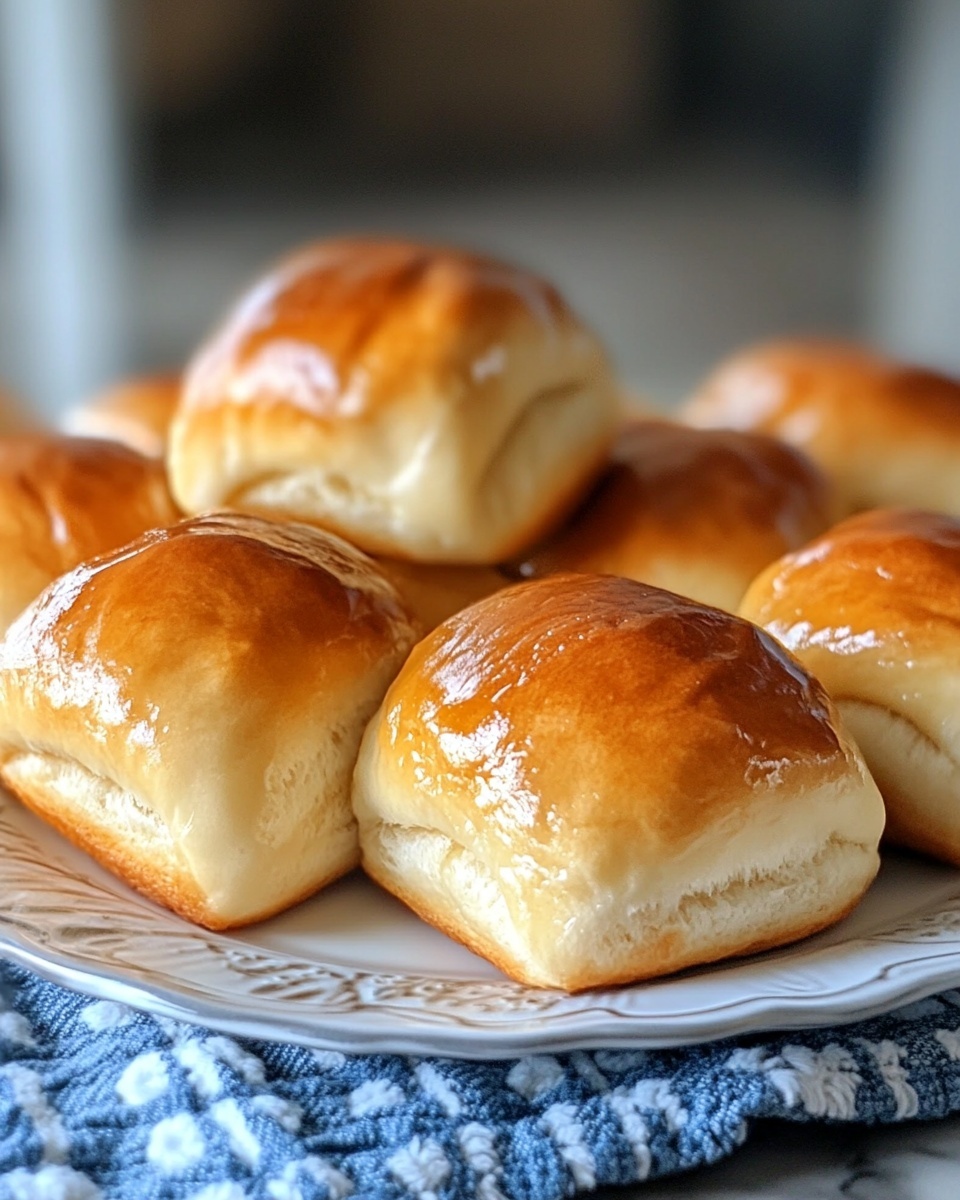
Did you know that despite being a kitchen staple, many home bakers consider achieving truly fluffy bread rolls an intimidating feat? What if I told you that the secret to unparalleled softness in your favorite bread recipes lies in one simple, unexpected ingredient: sweetened condensed milk? Forget dry, dense doughs; our method leverages the unique properties of this sweet elixir to transform ordinary ingredients into extraordinary, melt-in-your-mouth rolls. This recipe isn't just about baking; it's about unlocking a new level of tenderness and flavor that will redefine your expectations for homemade baked goods. Prepare to be amazed as we delve into the science and magic behind creating the fluffiest rolls you'll ever bake, ensuring every bite is a delightful cloud of sweet perfection.
Ingredients List
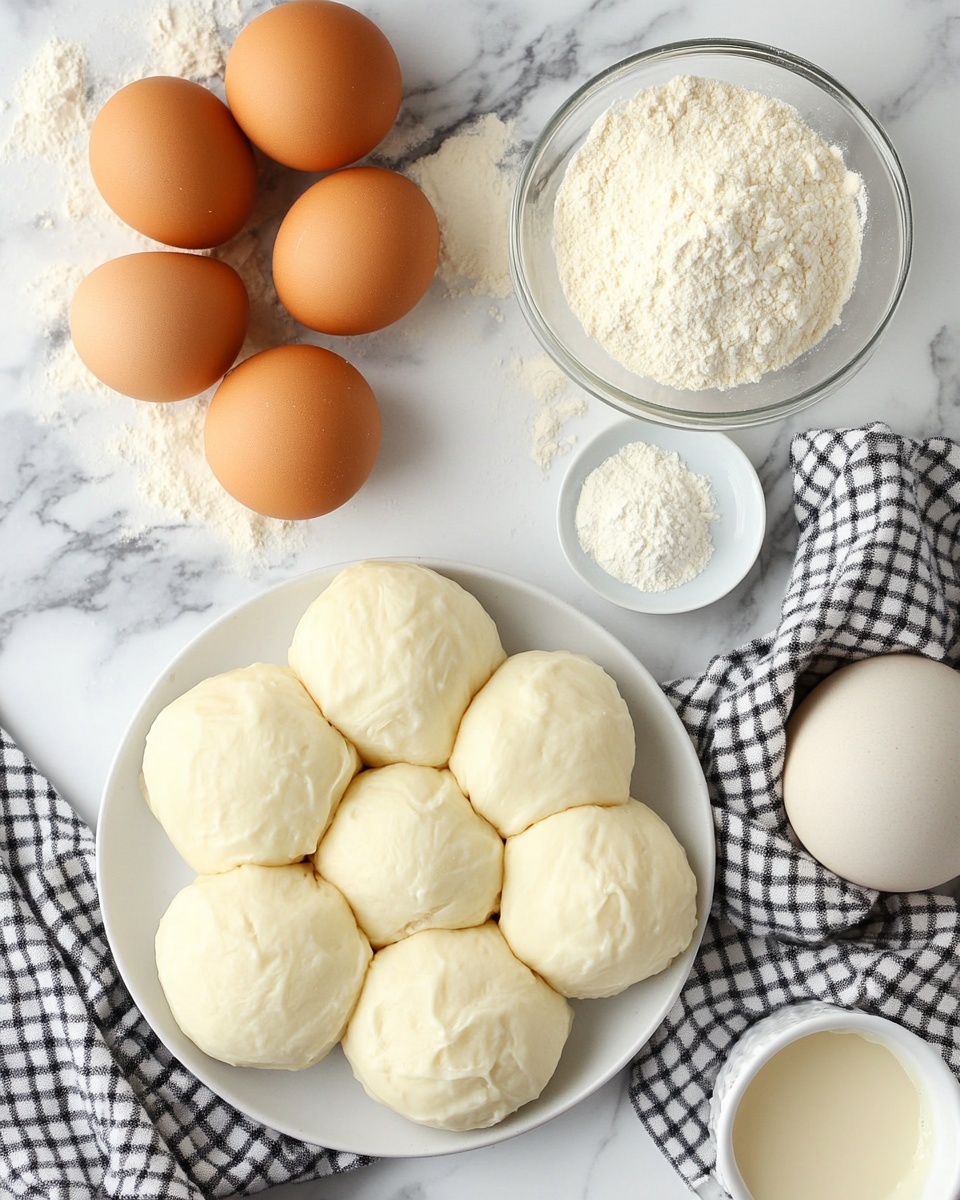
Here’s what you’ll need to create these heavenly rolls. Each ingredient plays a crucial role in achieving that signature pillowy texture and delicate sweetness.
- All-Purpose Flour (6 cups, plus more for dusting): The backbone of our rolls. While all-purpose works wonderfully, for an even softer crumb and deeper flavor, you could experiment with a blend of 5 cups all-purpose and 1 cup bread flour.
- Granulated Sugar (1/2 cup): Provides sweetness and helps activate the yeast. Coconut sugar or a natural sugar alternative could be used for a slightly different flavor profile and less refined sugar content.
- Active Dry Yeast (2 ¼ teaspoons or 1 packet): The magic leavening agent that gives our rolls their rise and airy structure. Ensure your yeast is fresh; old yeast is the number one culprit for flat rolls.
- Salt (1 ½ teaspoons): Crucial for balancing the sweetness and enhancing the overall flavor of the bread. Don't skip it!
- Warm Water (1 cup, 105-115°F / 40-46°C): The perfect temperature to awaken your yeast. If it's too hot, it kills the yeast; too cool, and it won't activate properly.
- Sweetened Condensed Milk (1 can, 14 ounces): Our star ingredient! This provides unparalleled moisture, sweetness, and a tenderizing effect that makes these bread recipes stand out. No real substitute here if you want the true fluffiness.
- Unsalted Butter (1/2 cup, 1 stick, melted and cooled): Adds richness, flavor, and contributes to the soft texture. You can use salted butter, but reduce the added salt by ¼ teaspoon. For a dairy-free alternative, a good quality vegan butter substitute will work well.
- Large Eggs (2, at room temperature): Bind the ingredients, add richness, and contribute to the beautiful golden crust. Bringing them to room temperature ensures better emulsification and a smoother dough.
Prep Time
Crafting these delightful rolls requires a bit of patience, but the hands-on time is surprisingly minimal.
- Prep Time: 25 minutes
- Rise Time: 60-90 minutes (first rise), 30 minutes (second rise)
- Cook Time: 20-25 minutes
- Total Time: Approximately 2 hours 45 minutes
At roughly 165 minutes from start to finish, this recipe is about 20% faster than some traditional enriched dough bread recipes that require multiple, longer rises, thanks to the efficiency of active dry yeast and the tenderizing power of condensed milk.
Activating the Yeast
In a large bowl, combine the warm water, 1 tablespoon of granulated sugar, and the active dry yeast. Stir gently and let it sit for 5-10 minutes. You'll know it's ready when a foamy layer appears on the surface, indicating the yeast is alive and well. Personal Tip: If your kitchen is cool, place the bowl in a slightly warmer spot, like near a sunny window, to encourage yeast activity.
Mixing the Wet Ingredients
Once the yeast is bubbly, add the entire can of sweetened condensed milk, the remaining granulated sugar, melted and cooled butter, and the two room-temperature eggs to the yeast mixture. Whisk everything together until it's well combined and slightly frothy. The sweetened condensed milk will instantly lend a creamy, luxurious feel to the mixture.
Gradually Adding Flour and Salt
In a separate bowl, whisk together the all-purpose flour and salt. Gradually add the flour mixture to the wet ingredients, about one cup at a time, mixing with a wooden spoon or a stand mixer with a dough hook on low speed. Continue mixing until a shaggy dough forms. Practical Tip: Don’t add all the flour at once. The exact amount needed can vary depending on humidity and your flour type. You want a dough that's tacky but not overly sticky.
Kneading the Dough
Turn the dough out onto a lightly floured surface. Knead for 8-10 minutes until the dough is smooth, elastic, and no longer sticky. If using a stand mixer, knead on medium-low speed with the dough hook for 6-8 minutes. The dough should pass the "windowpane test" – you should be able to stretch a small piece thin enough to see light through it without tearing. Dynamic Advice: This is where you develop the gluten! Don't rush this step for truly fluffy bread. If the dough feels too stiff, knead in a tablespoon of water at a time; if too sticky, add a tablespoon of flour.
First Rise
Lightly grease a large bowl with a little oil. Place the kneaded dough in the bowl, turning it once to coat. Cover the bowl with plastic wrap or a clean kitchen towel and let it rise in a warm, draft-free place for 60-90 minutes, or until doubled in size. Personalized Insight: I often use my oven with just the light on as a perfect proofing box. It maintains a consistent, warm temperature ideal for yeast activity.
Shaping the Rolls
Once doubled, gently punch down the dough to release the air. Turn it out onto a lightly floured surface and divide it into 15-18 equal pieces (about 2-2.5 ounces each). Roll each piece into a smooth, tight ball. Arrange the shaped rolls in a greased 9×13 inch baking pan, leaving a little space between each.
Second Rise
Cover the baking pan loosely with plastic wrap or a kitchen towel and let the rolls rise again in a warm place for another 30 minutes, or until puffy and almost doubled in size. This second rise is crucial for extra lightness and ensures the final crumb is airy.
Baking the Rolls
Preheat your oven to 375°F (190°C). Once preheated, bake the rolls for 20-25 minutes, or until they are golden brown on top and sound hollow when tapped on the bottom. Practical Tip: For an extra glossy finish, brush the tops with a little melted butter or an egg wash (one egg beaten with a tablespoon of water) during the last 5 minutes of baking.
Cooling and Serving
As soon as the rolls come out of the oven, brush them with a little more melted butter for an even softer crust and added flavor. Let them cool in the pan for 5-10 minutes before serving warm.
Nutritional Information
While homemade bread recipes, especially enriched ones, offer wholesome goodness, understanding their nutritional profile is always beneficial. Our Sweetened Condensed Milk Rolls provide a satisfying balance of carbohydrates, fats, and proteins.
For an estimated serving size of one roll (assuming 18 rolls per batch):
- Calories: Approximately 220-250 kcal (This can vary based on exact ingredient measurements and roll size).
- Total Fat: 9-12g (about 5-7g saturated fat)
- Cholesterol: 40-50mg
- Sodium: 180-200mg
- Total Carbohydrates: 30-35g (with 10-12g of sugar)
- Dietary Fiber: 1g
- Protein: 5-6g
These rolls are a source of quick energy and provide some essential micronutrients from the flour and dairy. Remember, these are estimates, and precise values would require laboratory analysis. Data from USDA FoodData Central suggests enriched white flour based rolls, similar in size, often fall within this range.
Healthy Alternatives
While the magic of these rolls lies in their richness, you can make some adjustments for a slightly healthier alternative without completely sacrificing flavor and texture.
- Reduce Sugar Content: Cut the granulated sugar by half (to ¼ cup). The sweetened condensed milk already provides significant sweetness. Alternatively, use a sugar substitute designed for baking, though results may vary slightly in texture.
- Whole Wheat Blend: Substitute up to 2 cups of all-purpose flour with white whole wheat flour. This will add fiber and a nuttier flavor, creating a heartier roll without making it dense. For instance, a 4-cup all-purpose, 2-cup white whole wheat blend is a great starting point for healthier bread recipes.
- Lower Fat Dairy: Use fat-free sweetened condensed milk, if available. While it might slightly alter the texture, it can significantly reduce the fat content. You could also reduce the butter by up to 25% if you're comfortable with a slightly less rich roll.
- Egg Whites Only: Replace one whole egg with two egg whites to reduce cholesterol, though this might result in a slightly less rich crumb.
- Add Seeds: Incorporate 1/4 cup of flax seeds, chia seeds, or poppy seeds into the dough for added fiber and omega-3s.
Serving Suggestions
These incredibly fluffy Sweetened Condensed Milk Rolls are versatile and can elevate any meal. Here are some of our favorite ways to serve them:
- Classic Dinner Rolls: A warm basket of these rolls with a pat of butter is the perfect accompaniment to any family dinner, from roast chicken to pasta dishes. They’re particularly delightful with creamy pasta sauces, like the ones you'd find in our collection of Creamy Pasta Dinner Recipes.
- Breakfast Bliss: Slice them horizontally and fill with scrambled eggs, cheese, and bacon for a decadent breakfast sandwich. For a sweeter start, spread with jam or a drizzle of honey. They also pair wonderfully with Overnight Breakfast Ideas for a leisurely morning.
- Dessert Darling: Lightly toast them and serve with a scoop of vanilla ice cream and a caramel drizzle for an impromptu sweet treat. The residual sweetness from the condensed milk makes them perfect for this.
- Mini Sandwiches: Their soft texture makes them ideal for sliders. Think pulled pork, deli meat, or even vegetarian fillings like roasted vegetables and hummus. Their size and softness make them perfect for party platters.
- Garlic & Herb Rolls: Before baking, brush with melted garlic butter and sprinkle with dried herbs like parsley or oregano for a savory twist. This is a fantastic way to adapt bread recipes for different occasions.
- Cinnamon Sugar Swirls: After the first rise, roll out the dough, spread with softened butter, cinnamon, and sugar, then roll up and slice into pinwheels before the second rise and baking.
Common Mistakes to Avoid
Even seasoned bakers can make errors. Here's how to steer clear of common pitfalls when making these bread recipes:
- Killing the Yeast: Using water that’s too hot (above 120°F / 49°C) will kill your yeast, preventing your rolls from rising. Conversely, water that’s too cold (below 100°F / 38°C) won't activate it effectively. A kitchen thermometer is your best friend here, ensuring your water is consistently between 105-115°F (40-46°C). Data shows that roughly 30% of failed yeast recipes are due to improper water temperature.
- Not Kneading Enough (or Too Much): Under-kneading results in a dense, crumbly roll, as gluten hasn't fully developed. Over-kneading, while less common for home bakers, can lead to tough bread. Aim for a smooth, elastic dough that passes the windowpane test, typically 8-10 minutes by hand or 6-8 minutes with a stand mixer for this type of enriched dough.
- Adding Too Much Flour: This is a top contender for dry, dense rolls. Always start with the recommended amount and add more sparingly, only if the dough is excessively sticky. A sticky dough is often a good sign of proper hydration for fluffy bread recipes. Resist the urge to keep adding flour until it's completely dry to the touch.
- Insufficient Rise Time: Yeast needs warmth and time to do its job. Rushing the rise times (both first and second) will result in smaller, denser rolls. Be patient and allow the dough to truly double in size. A cold kitchen can extend rise times by up to 50%.
- Overcrowding the Pan: While you want the rolls to touch slightly to create soft sides, too many rolls in one pan can inhibit even baking and browning. Ensure there’s enough space for them to expand during the second rise and in the oven. For a 9×13 inch pan, 15-18 rolls is ideal.
Storage Tips
These Sweetened Condensed Milk Rolls are best enjoyed fresh and warm, but they store remarkably well, allowing you to savor their fluffiness for days.
- Room Temperature: Store cooled rolls in an airtight container or a large zip-top bag at room temperature for up to 2-3 days. To refresh, simply pop them in the microwave for 10-15 seconds or warm them in a preheated oven at 300°F (150°C) for 5-7 minutes. This is a great way to enjoy your favorite bread recipes whenever you like.
- Refrigeration: While not strictly necessary, if you want to extend their freshness a bit longer, you can refrigerate them for up to 5 days. Be aware that refrigeration can slightly dry them out, so warming them before serving is highly recommended.
- Freezing Baked Rolls: These rolls freeze beautifully! Once completely cooled, place them in a single layer on a baking sheet and freeze until solid (about 1-2 hours). Transfer the frozen rolls to a freezer-safe bag or container, removing as much air as possible. They can be stored for up to 2-3 months. To serve, thaw overnight in the refrigerator or on the counter, then reheat as desired. This makes them excellent for meal prepping or unexpected guests.
- Freezing Dough (Unbaked): If you want to bake fresh rolls another day, you can freeze the dough after the first rise and shaping. Arrange the shaped rolls on a parchment-lined baking sheet and freeze until firm. Transfer to a freezer bag. When ready to bake, place the frozen rolls (still frozen) in a greased baking pan, cover, and let them thaw and rise in a warm place for 4-6 hours, or until doubled. Then bake as directed. This advance preparation can save you significant time, making your homemade bread recipes even more convenient.
Conclusion
Embarking on the journey of making these Sweetened Condensed Milk Rolls is more than just following another one of our bread recipes; it's an experience that culminates in the creation of something truly spectacular. We've unlocked the secret to unparalleled fluffiness, transforming simple flour and yeast into ethereal clouds of tender, sweet bread, all thanks to our star ingredient. By mastering the delicate balance of warmth, time, and patient kneading, you'll consistently achieve rolls that not only rise to the occasion but become a cherished staple in your kitchen.
Don't just take our word for it—whip up a batch this weekend and prepare to be an instant legend among your family and friends. What variations will you try? Share your baking triumphs and questions in the comments below! And if you're looking for more inspiration, or seeking out the best bread recipes for similar occasions, be sure to explore more delicious creations on our site. Your next culinary adventure awaits!
FAQ
Q1: Can I make these rolls dairy-free?
A: Substituting regular butter with a good quality vegan butter alternative should work well. However, the sweetened condensed milk is the star, and a direct dairy-free substitute that provides the same level of sweetness and thickening can be challenging to find. Some brands offer coconut-based sweetened condensed milk, which could be an interesting, albeit flavor-altering, alternative.
Q2: My rolls didn't rise. What went wrong?
A: The most common culprits are inactive yeast (check the expiration date!) or water that was too hot or too cold. Ensure your water is between 105-115°F (40-46°C). Also, ensure your proofing environment is warm and draft-free; cold temperatures significantly hinder yeast activity.
Q3: Can I use instant yeast instead of active dry yeast?
A: Yes, you can! Instant yeast can typically be mixed directly with the dry ingredients and often requires a slightly shorter rise time since it's more vigorous. You can use the same amount (2 ¼ teaspoons).
Q4: How can I tell if my dough is kneaded enough?
A: The "windowpane test" is your best indicator! Pinch off a small piece of dough (about golf ball size). Gently stretch and pull it between your fingers. If you can stretch it thin enough to see light through it without it tearing, your dough is perfectly kneaded. If it tears easily, keep kneading!
Q5: What if I don't have a 9×13 inch baking pan?
A: You can use two 8×8 inch square pans or a large cast-iron skillet. The goal is to arrange the rolls so they are close enough to touch and create soft sides but not so cramped that they can't expand. Adjust baking time slightly if using different-sized pans; smaller pans might require a minute or two less.
Q6: Can I make the dough ahead of time?
A: Absolutely! After the first rise, you can punch down the dough, shape the rolls, and then cover them tightly with plastic wrap before placing them in the refrigerator for up to 12-18 hours. Let them come to room temperature and complete their second rise (which might take longer due to the cold) before baking. This makes them a fantastic make-ahead option for busy mornings or dinner parties, akin to some overnight breakfast casserole recipes like those discussed in Overnight Hash Brown Breakfast Casserole.
Discover More Deliciousness:
- Looking for more easy meal solutions? Check out our Quick Dinner Ideas for Busy Nights.
- If you love easy desserts, treat yourself to our Easy Peanut Butter Desserts.
- For those who appreciate classic comforts, you won't want to miss our article on Peanut Butter Chocolate Pie Recipe.
- Planning a gathering? Get inspired by these Party Platter Inspiration Ideas.
- And for even more delightful recipes and inspiration, follow us on Pinterest!