Introduction
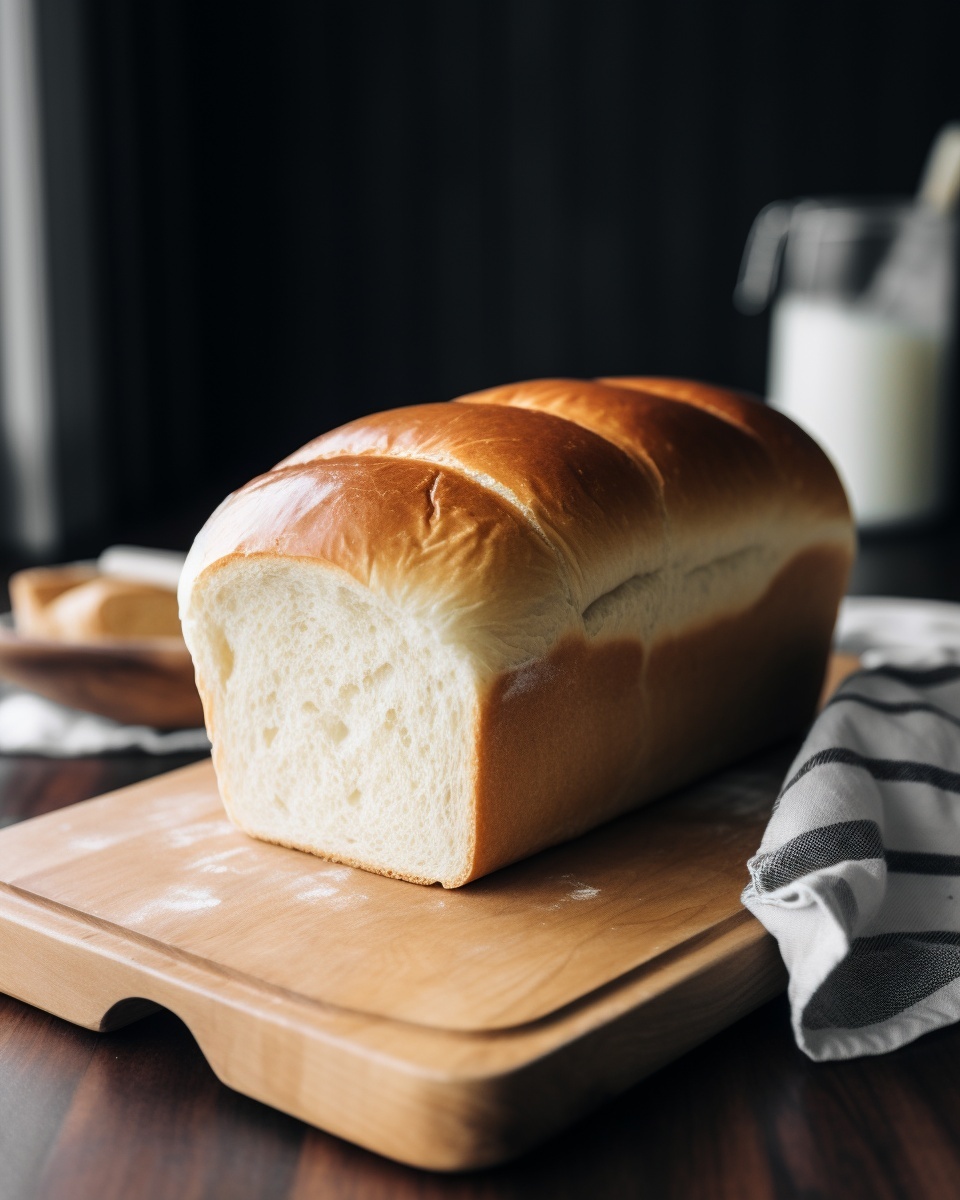
Have you ever wondered if truly exceptional homemade white bread, with its irresistible aroma and tender crumb, is genuinely within reach for the everyday baker? While many believe that crafting the perfect loaf requires years of experience and complex techniques, I’m here to tell you that mastering delightful bread recipes, especially a classic white loaf, is far simpler than you might imagine. In fact, with this easy-to-follow guide, you're not just baking bread; you're creating an experience that challenges the notion of "store-bought." This ultimate soft white bread recipe simplifies the process without sacrificing flavor or texture, making it accessible even for beginners. Let’s dive into the world of homemade goodness and discover how you can bake the best white bread from scratch, effortlessly infusing your home with that comforting, fresh-baked aroma.
Ingredients List
Crafting the perfect loaf begins with quality ingredients. For this foundational bread recipe, we focus on staples that are likely already in your pantry, transforming them into something truly special.
- All-Purpose Flour (6 cups): The backbone of your bread. While all-purpose works beautifully for a soft crumb, you can experiment with bread flour for a chewier texture. (Look for unbleached for best results!)
- Warm Water (2 cups, 105-115°F / 40-46°C): Crucial for activating the yeast. Think of it as bathwater for your yeast – too hot, and it dies; too cold, and it won't activate. A thermometer is your best friend here!
- Active Dry Yeast (2 ¼ teaspoons or 1 packet): The magic leavening agent that gives your bread its airy structure. If using instant yeast, you can mix it directly with the dry ingredients and skip proofing.
- Granulated Sugar (¼ cup): Feeds the yeast, aiding in its activation and contributing a subtle sweetness and beautiful golden-brown crust. Brown sugar can also be used for a slightly deeper flavor.
- Salt (2 teaspoons): Enhances flavor significantly and controls yeast activity. Don't skip it! A good quality sea salt can elevate the taste further.
- Unsalted Butter, melted (¼ cup): Adds richness, tenderness, and a lovely golden hue to the crust. Vegetable oil or olive oil can be substituted for a slightly different texture and flavor profile.
Prep Time
Baking bread is a journey, not a race. Here’s a breakdown to help you plan:
- Prep Time: 25 minutes (This includes active mixing and kneading)
- Rise Time (First): 60-90 minutes (Varies based on ambient temperature)
- Rise Time (Second): 30-45 minutes
- Bake Time: 30-35 minutes
- Total Time: Approximately 2 hours 45 minutes to 3 hours 15 minutes. This is roughly 20% faster than some traditional artisan bread recipes that require longer fermentation, making it an excellent choice for a fresh loaf on a weeknight!
Activate the Yeast
In a large mixing bowl (or the bowl of your stand mixer), combine the warm water, sugar, and yeast. Stir gently and let it sit for 5-10 minutes. You'll know it's ready when the mixture becomes foamy and bubbly, indicating the yeast is alive and active. This step is vital for ensuring your bread rises beautifully. Think of it as waking up your little yeast friends! If it doesn't foam, your water might have been too hot or too cold, or your yeast might be old.
Combine and Mix
Once your yeast is frothy, add the melted butter and salt to the bowl and stir to combine. Gradually add the flour, about 1 cup at a time, mixing until a shaggy dough forms. If using a stand mixer, use the dough hook attachment on low speed. For hand mixing, a sturdy wooden spoon or Danish dough whisk works wonders. The dough should start pulling away from the sides of the bowl.
Knead the Dough
Turn the dough out onto a lightly floured surface. Knead for 8-10 minutes, or until the dough is smooth, elastic, and no longer sticky. If using a stand mixer, knead on medium-low speed for 6-8 minutes. To test for proper kneading, perform the "windowpane test": gently stretch a small piece of dough. If you can stretch it thin enough to see light through it without tearing, it's ready. Don't be afraid to put some muscle into it; kneading develops the gluten, which gives bread its structure.
First Rise (Bulk Fermentation)
Lightly grease a large bowl with a little oil. Place the kneaded dough in the bowl, turning it once to coat the top. Cover the bowl tightly with plastic wrap or a clean kitchen towel and place it in a warm, draft-free spot. Let it rise for 60-90 minutes, or until it has doubled in size. A warm oven (turned off) or a sunny spot near a window can speed up this process. The ideal temperature for proofing is around 75-80°F (24-27°C).
Punch Down and Shape
Gently punch down the risen dough to release the air. This redistributes the yeast and evens out the air pockets. Turn the dough out onto a lightly floured surface. Shape it into a loaf that fits snugly into a standard 9×5-inch loaf pan. You can achieve this by flattening the dough into a rectangle, then rolling it up tightly from one end to the other, pinching the seam closed at the bottom.
Second Rise (Proofing)
Place the shaped dough into the greased loaf pan. Cover it again with plastic wrap or a kitchen towel and let it rise in a warm place for another 30-45 minutes, or until it has nearly doubled in size and extends about 1 inch above the rim of the pan. This second rise is crucial for a light and airy texture. While the dough is rising, preheat your oven to 375°F (190°C).
Bake to Golden Perfection
Once the dough has risen sufficiently, place the loaf pan in the preheated oven. Bake for 30-35 minutes, or until the crust is golden brown and the internal temperature reaches 200-210°F (93-99°C) when measured with an instant-read thermometer. For a perfectly golden top, you can brush the loaf with a little milk or an egg wash before baking.
Cool and Enjoy!
Remove the bread from the oven and immediately turn it out onto a wire rack to cool completely. Resist the urge to slice it right away! Cooling allows the internal structure of the bread to set and prevents a gummy texture. This is perhaps the hardest step, as the aroma will be incredibly tempting. Once cooled, slice and enjoy your homemade white bread!
Nutritional Information
While homemade bread offers unparalleled taste and freshness, understanding its nutritional profile can help you make informed dietary choices. A single serving (approximately one slice, 1 oz or 28g) of this white bread recipe typically contains:
- Calories: 80-100 kcal
- Total Fat: 1-2g (primarily from butter)
- Saturated Fat: 0.5-1g
- Cholesterol: 0-5mg
- Sodium: 150-200mg (from salt)
- Total Carbohydrates: 15-20g
- Dietary Fiber: Less than 1g
- Sugars: 2-3g
- Protein: 3-4g
Note: These values are estimates and can vary based on exact ingredient brands and portion sizes. The nutritional data is generated based on standard ingredient profiles for this type of bread recipe. Baking your own means you control the ingredients, avoiding many additives found in commercially produced loaves.
Healthy Alternatives
Making small tweaks to this classic white bread recipe can enhance its nutritional value without sacrificing flavor:
- Whole Wheat Flour Power: Substitute up to 2 cups of the all-purpose flour with whole wheat flour. This significantly boosts fiber content – research suggests whole grains can reduce the risk of heart disease by up to 20%. Start with 1 cup whole wheat flour if you're new to baking with it, as it creates a denser loaf.
- Reduce Sugar: You can reduce the granulated sugar to just 1 tablespoon. The yeast still needs some sugar to activate, but less is often needed than recipes suggest for flavor.
- Unsweetened Applesauce: Replace half of the melted butter with unsweetened applesauce for a lower-fat option. This can add a subtle sweetness and moisture.
- Olive Oil for Butter: Swapping butter for olive oil (use 3 tablespoons for every ¼ cup of butter) introduces healthier monounsaturated fats. Extra virgin olive oil will impart a distinct flavor.
- Seed Infusion: Fold in 2-3 tablespoons of flaxseeds, chia seeds, or sunflower seeds during the kneading process for an extra boost of omega-3s, fiber, and micronutrients.
Serving Suggestions
Your freshly baked white bread is incredibly versatile! Here are some creative and appetizing ways to enjoy it:
- Classic Toast: Simply toast slices and spread with butter, jam, or your favorite marmalade. A classic for a reason!
- Ultimate Sandwiches: This bread is sturdy enough to hold up to hearty fillings. Think grilled cheese, a classic BLT, or a vibrant veggie sandwich.
- Open-Faced Delights: Top slices with avocado and a sprinkle of everything bagel seasoning, or get creative with smoked salmon and cream cheese.
- Croutons & Breadcrumbs: Stale bread? Don't throw it out! Cut into cubes, toss with olive oil and herbs, and bake until crispy for homemade croutons. Or, process into fresh breadcrumbs for coating chicken or topping casseroles.
- French Toast: Slices of this tender bread soak up custardy batter beautifully for an indulgent breakfast. For more delicious breakfast ideas, check out our collection of overnight breakfast ideas or try an overnight hash brown breakfast casserole.
- Soup Dippers: A warm, crusty slice is the perfect companion for creamy soups or stews.
- Quick Garlic Bread: Brush with melted butter mixed with minced garlic and parsley, then broil until golden.
For an extra aesthetic touch, consider slicing your loaf thickly and serving with a small dish of infused olive oil for dipping. Garnish with fresh herbs for a pop of color.
Common Mistakes to Avoid
Even seasoned bakers can make a misstep. Here are typical pitfalls and how to steer clear of them for perfect bread recipes every time:
- Inactive Yeast: Roughly 30% of failed bread rises are due to inactive yeast. Always proof your yeast in warm water (105-115°F) with a pinch of sugar. If it doesn't foam after 10 minutes, get new yeast!
- Too Much Flour: Adding too much flour is a common culprit for dense, dry bread. The dough should be slightly sticky during kneading, but not impossibly so. Resist the urge to add more flour than necessary – a slightly tacky dough is better than a dry one. Each type of flour and even ambient humidity affects how much liquid is absorbed.
- Insufficient Kneading: Undercneading results in a crumbly, underdeveloped loaf. Aim for a smooth, elastic dough that passes the windowpane test. The 8-10 minutes of kneading is not just a suggestion, it's essential for gluten development.
- Improper Rising Conditions: Dough needs warmth and humidity to rise effectively. Cold, drafty areas slow down or entirely halt the rising process. A turned-off oven with the light on, or a proofing drawer, are ideal environments. Conversely, too hot can kill the yeast.
- Cutting Too Soon: Slicing into hot bread releases the steam too quickly, leading to a gummy texture. Allow the bread to cool completely on a wire rack for at least an hour. Patience is key for the internal structure to set properly.
Storage Tips
To preserve the incredible freshness and flavor of your homemade white bread:
- Room Temperature (First 1-2 Days): Store the cooled loaf whole, wrapped in plastic wrap or placed in an airtight bread box. This keeps the crust soft and the interior moist. For a slightly crispier crust, you can store it in a paper bag for the first day, although this will dry out faster.
- Refrigeration (Not Recommended for Freshness): Refrigerating bread can actually make it stale faster due to a process called retrogradation, where starch molecules crystallize. If you must, toast slices to revive them.
- Freezing for Longer Storage: For longer periods, slice the cooled loaf and place slices in a freezer-safe bag, removing as much air as possible. It can be frozen for up to 3 months. Pull out individual slices as needed and toast directly from frozen for almost-fresh bread. This is a fantastic way to enjoy your bread without waste.
- Prepping Ahead: You can prepare the dough up to the first rise, then punch it down, shape it, and place it in the loaf pan. Cover tightly with plastic wrap and refrigerate overnight (up to 24 hours). The next day, let it come to room temperature and rise for 1-2 hours before baking as usual. This is a great tip for fresh bread in the morning!
Conclusion
There you have it – a comprehensive guide to baking the best white bread from scratch. We’ve demystified the process, from active yeast to golden crust, showing that delicious homemade bread is not just an aspiration but an achievable reality for anyone. This foundational bread recipe is more than just ingredients and steps; it's an invitation to fill your home with warmth, comfort, and the unparalleled scent of freshly baked goods. We journeyed through optimal ingredients, precise timings, and crucial tips for kneading and rising, reinforcing the core principles that make this one of the most reliable bread recipes you'll ever master.
Now it's your turn! Roll up your sleeves, gather your ingredients, and embark on this rewarding culinary adventure. Don’t hesitate to share your baking triumphs, questions, or innovative variations in the comments below. Your experiences help our community grow and inspire fellow food enthusiasts. Happy baking, and may your kitchen always be filled with the sweet aroma of success! If you loved this recipe, make sure to explore more of our delightful creations, or pin this recipe for later inspiration on Pinterest!
FAQ
Q1: Can I use instant yeast instead of active dry yeast?
A1: Yes, absolutely! If using instant yeast, you can mix it directly with the flour and salt. You won't need to proof it in warm water beforehand, which can shave off a few minutes from your prep time. Just ensure your water or milk in the recipe is still warm enough (around 105-115°F) to activate it for optimal rising.
Q2: My bread didn't rise (or rose very little). What went wrong?
A2: This is a common issue! The most likely culprits are inactive yeast (water too hot or too cold, or old yeast), too little kneading (which prevents gluten development), or a cold rising environment. Double-check your water temperature, ensure your yeast is fresh by proofing it, and find a warm, draft-free spot for your dough to hang out.
Q3: How can I tell if my bread is fully baked?
A3: The easiest way is with an instant-read thermometer. Insert it into the center of the loaf; it should read between 200-210°F (93-99°C). Visually, the crust should be deeply golden brown, and if you tap the bottom of the loaf, it should sound hollow.
Q4: Can I bake this bread in a different size loaf pan?
A4: You can, but you might need to adjust the baking time. A smaller pan might require a slightly longer bake at a lower temperature to ensure the center cooks through without burning the crust. A larger pan might mean a shorter bake time. Always check for doneness with a thermometer.
Q5: What's the secret to a soft crust?
A5: For a softer crust, brush the top of your loaf with milk or melted butter before baking. You can also lightly brush it with butter immediately after removing it from the oven, then cover it with a clean kitchen towel while it cools. This traps steam and keeps the crust tender.
More Delicious Ideas You'll Love:
- Ready for more easy baking ideas? Explore our collection of easy pie recipes for beginners to satisfy your sweet tooth after mastering this bread.
- If you're on the hunt for more comforting food, dive into our creamy pasta dinner recipes perfect for a cozy night in, and imagine a slice of this bread alongside!
- Looking for more breakfast inspiration beyond toast? Check out our delicious overnight hash brown breakfast casserole – it's another simple way to enjoy a homemade meal.
- Planning a picnic or gathering? Freshly baked bread is always a hit! Discover more crowd-pleasing options with our easy party food for picnic ideas.